
When Dogs Need More Than Just a Walk
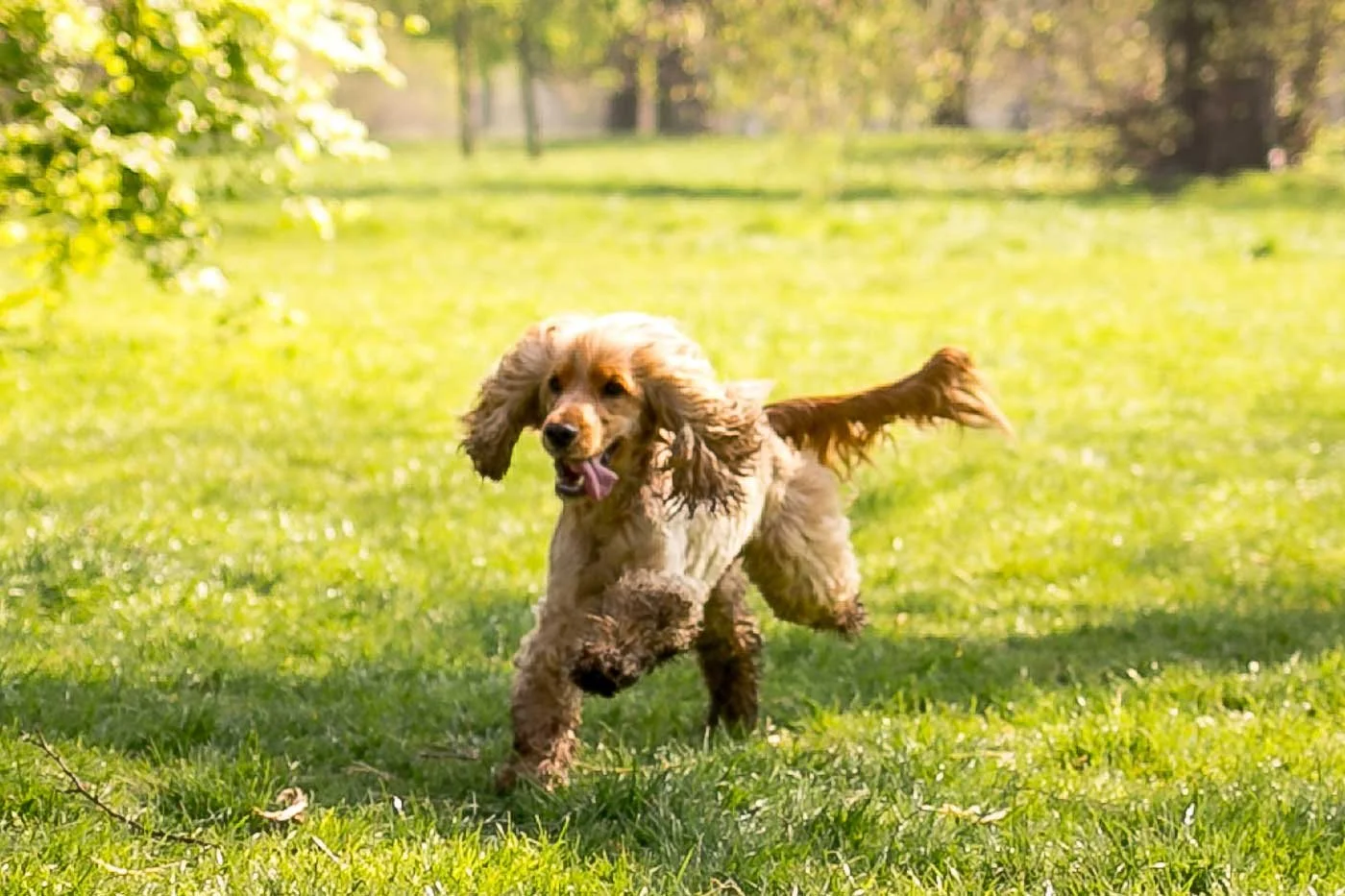
A walk covers a dog's need to move, but for many dogs, especially small and medium-sized breeds living in flats across Chelsea, Kensington and the surrounding areas, movement is only part of what keeps them content. If your dog still seems unsettled after a decent walk, there may be more going on than tired legs. Understanding what's actually missing makes it much easier to put right.
The Signs Your Dog Needs More
Some of these signs are obvious, others are easy to miss because they look like ordinary quirks rather than a dog telling you something.

Destructive or Restless Behaviour at Home
Chewing something they shouldn't, scratching at furniture, or pacing around the flat long after the walk has finished are usually the clearest signals. This tends to show up in the hours after a walk, once the initial tiredness has worn off but nothing has replaced it.

Clinginess and Difficulty Settling
A dog who follows you from room to room, can't settle when you sit down for the evening, or seems unable to relax even in a familiar space is often short on mental stimulation rather than affection. It can look like a dog simply being attached, but it's frequently a sign there's not enough else going on in their day.
Over-Excitement at the Door
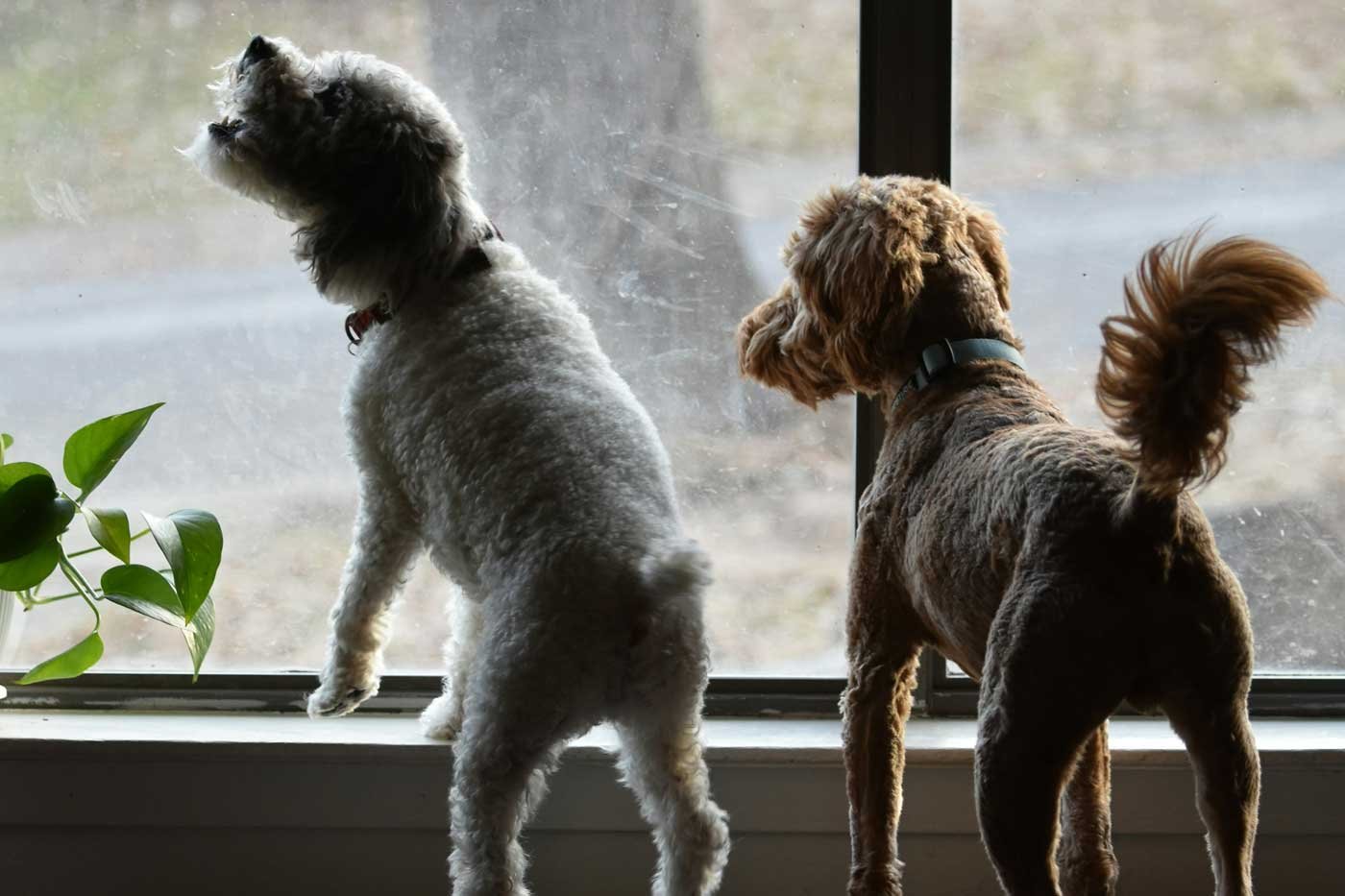
A dog who reacts to every noise or visitor with intense excitement is often telling you they haven't had enough to occupy their mind that day, not that they need a longer walk. The doorbell becomes the most interesting thing that's happened all day, which is itself a clue.

Separation Anxiety and Repetitive Habits
A dog who copes well with being left alone on some days and badly on others is often reacting to how much mental and social engagement they've had, not simply how many minutes they spent outside. Excessive licking, grooming or restlessness at night can point to the same underlying cause.
None of these signs on their own mean something is seriously wrong. Most dogs show one or two of them occasionally. It's when they become a regular pattern that it's worth looking at what's missing from the routine, rather than assuming a longer walk will fix it. If a behaviour feels extreme or comes on suddenly, it's always worth ruling out anything medical with a vet first, since some of these signs can overlap with health issues as well as boredom.
Why This Happens
Exercise, mental stimulation and socialisation are three separate needs, and a walk mostly covers the first one. A brisk walk around the block gets the legs moving, but it doesn't always give a dog much to think about, or anyone new to interact with.
Dogs bred for work, herding or terrier types in particular, are especially prone to this gap, since they're built to problem solve as much as to move. Adolescent dogs going through their most energetic phase often show it too, as do dogs in single dog households who don't get regular contact with other animals.
Dogs who spend a lot of time alone during the day are particularly affected, since walking becomes their only source of company as well as exercise, and one thirty minute walk can't reasonably do both jobs. Add in a flat with no garden, which describes most homes across Kensington and Chelsea, and a dog has very little opportunity to occupy itself between walks.
It's Not Always About More Exercise
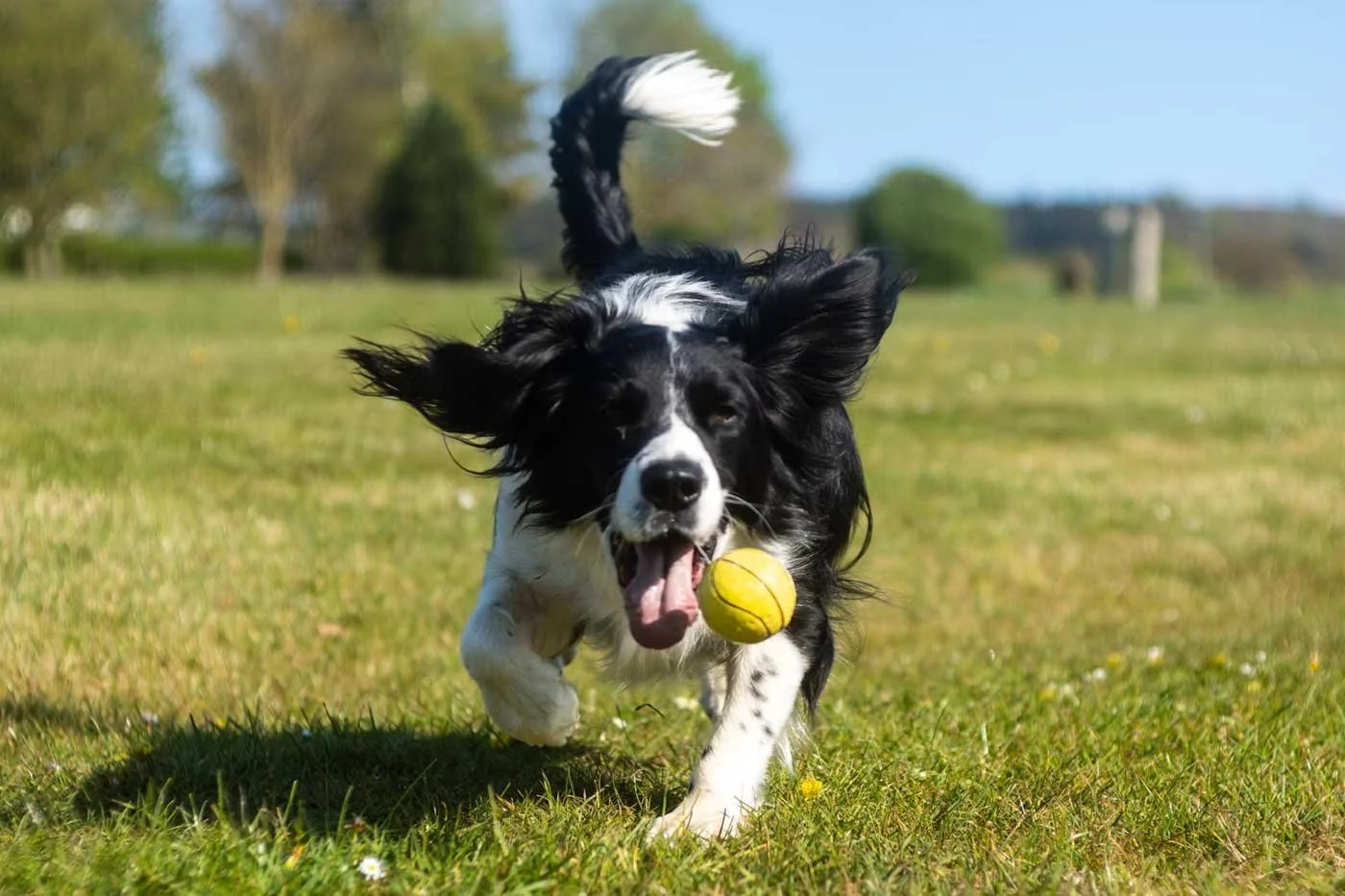
It's a natural instinct to solve restlessness with a longer walk, but tiring a dog out physically doesn't always calm a busy mind. A dog can come back from an hour long walk still wound up, simply because nothing about that walk asked anything of them mentally.
This is why the signs above often persist even when owners are already walking their dog twice a day. The issue isn't the amount of walking, it's the type of engagement on offer. Recognising that distinction is usually the turning point in working out what to change.
What Actually Helps
Enrichment at home is a good starting point. Puzzle feeders, scent games, snuffle mats and rotating toys can occupy a dog's mind between walks, and cost very little to introduce. Consistency also matters. Dogs tend to settle better when their day has a predictable shape, rather than long stretches of nothing followed by a single burst of activity.
Socialisation is harder to build into a normal week, particularly for owners working full time. Regular, supervised time with other dogs gives a dog the chance to practise social skills that a walk on a lead rarely allows, and it's often the piece that's missing entirely from an otherwise well exercised dog's routine.
For some dogs, especially those left alone for long stretches, structured day care fills this gap well. It combines exercise, company and mental stimulation in a way that a walk alone can't replicate, and it does so on a routine the dog can rely on.
Where Day Care Fits In
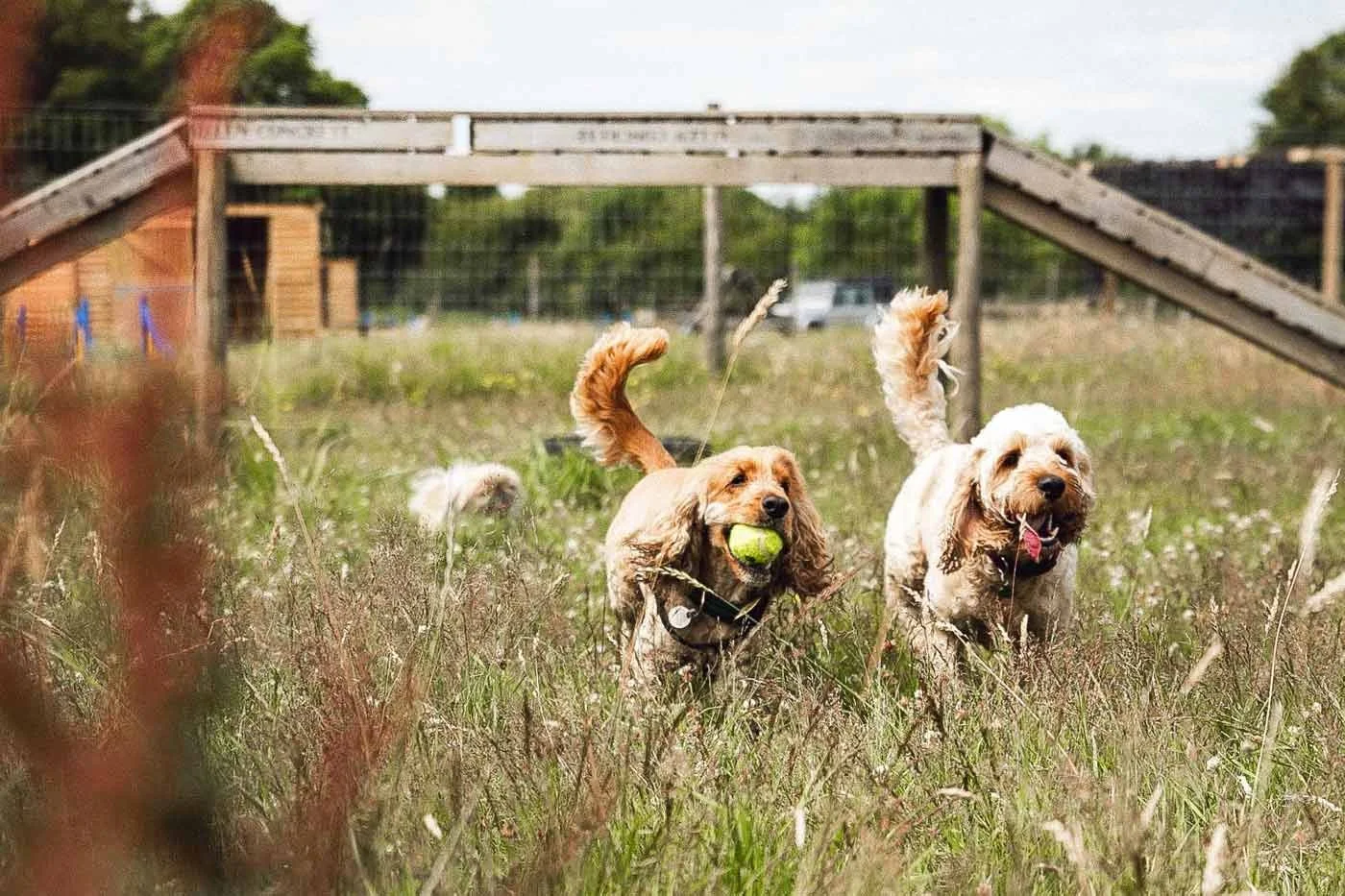
At Man's Best Friend, a day at our doggy day care facilities includes supervised play, indoor and outdoor space, and the chance to socialise with other small and medium-sized dogs in an environment built for their size. Smaller dogs in particular can find mixed size day care overwhelming, so having a space designed around their scale makes a genuine difference to how comfortable they are joining in.
Owners can also check in through live video streaming during the day, which helps if you're the sort of person who wants reassurance rather than just taking it on trust. For a dog who has been showing signs of needing more, a structured day like this can make a noticeable difference within a few weeks.
It isn't a replacement for exercise altogether, and it isn't the right fit for every dog. Some dogs are perfectly content with a good walk and some enrichment at home. But for dogs who spend long days alone, or who seem understimulated despite a decent walking routine, day care addresses needs that walking on its own simply can't.
Deciding What's Right for Your Dog
Not every dog needs day care, and not every dog needs more walking either. If you're weighing up the options, our articles on Dog Walking vs Doggy Day Care and Is Dog Walking Enough for Active Dogs go into more detail on how to match the right routine to your dog's temperament and energy levels.
Every dog is different, and the right balance of walking, stimulation and company depends on their age, breed and daily routine. Paying attention to the signs is the first step to working out what yours actually needs, and it's usually more useful than simply adding another lap of the park.
If you think your dog could benefit from more structured socialisation, our doggy day care service is designed specifically for small and medium-sized dogs across West London.