
Why Routine Matters in Dog Walking
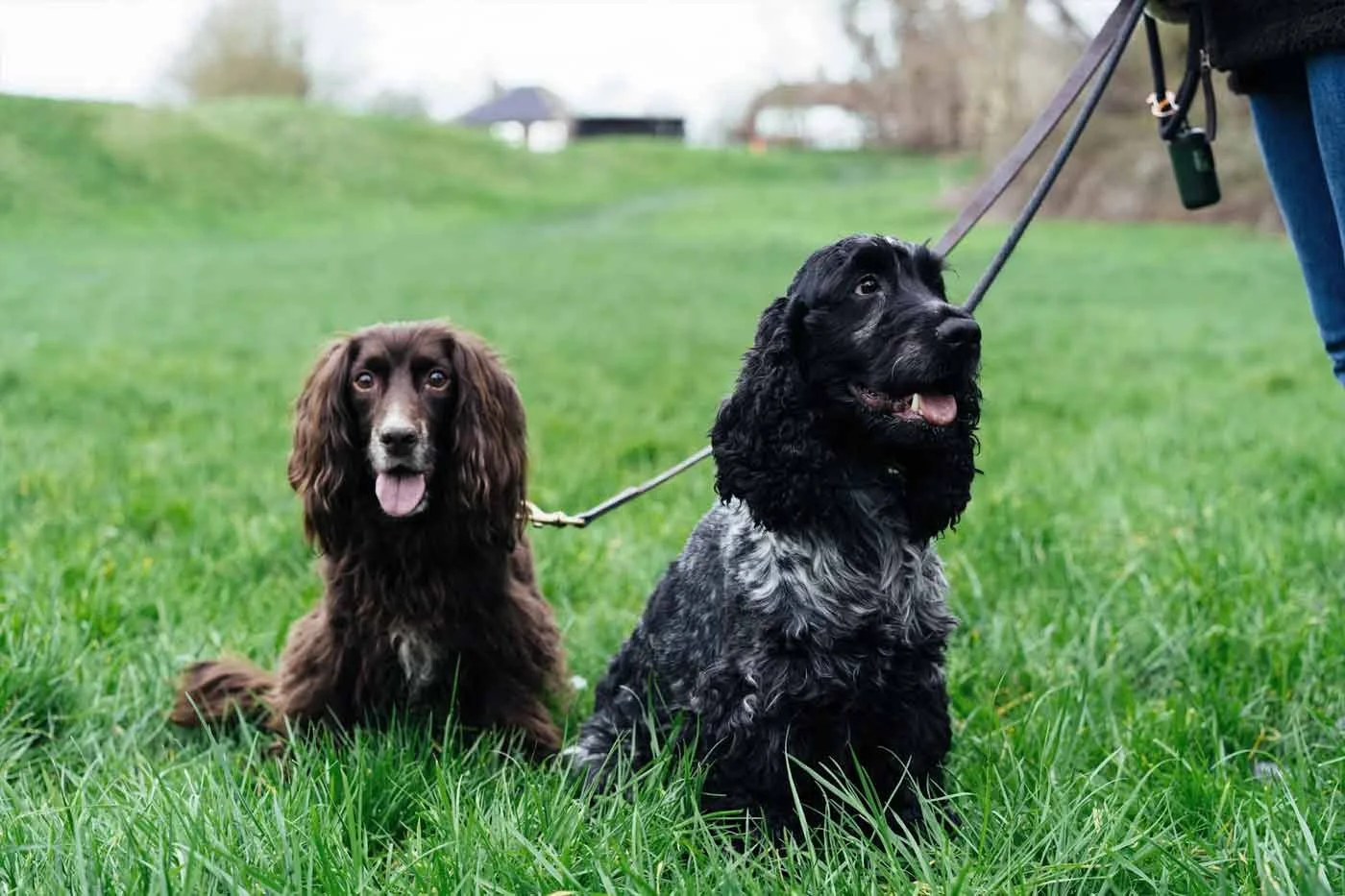
Most dog owners recognise the excitement that comes when they pick up the lead. Long before the front door opens, their dog is already anticipating what comes next. That excitement is not simply about getting outside. It is often the result of a familiar routine that has become part of everyday life.
A regular walking schedule gives dogs something predictable to rely on. Rather than wondering when they will next have the chance to explore, exercise and relieve themselves, they learn to trust that these needs will be met. That sense of predictability can make a noticeable difference to how relaxed and settled they feel throughout the day.
This is why routine dog walking is about much more than covering a certain distance. It provides structure, encourages healthy habits and helps dogs navigate daily life with greater confidence. Whether you walk your dog yourself or use a professional service, consistency plays an important role in supporting their physical and emotional wellbeing.
What routine actually means for a dog
Routine is often misunderstood as doing exactly the same thing every day. In reality, dogs benefit from consistency rather than repetition.
A routine might include leaving the house at similar times each morning, following familiar cues before a walk, or maintaining a steady pace that suits the individual dog. These small patterns help dogs understand what to expect next.
Dogs naturally pay close attention to daily habits. They notice when shoes are put on, when leads are picked up and even the sounds that happen before the front door opens. Over time, these repeated cues become reassuring signals rather than exciting surprises.
This steady pattern allows many dogs to relax. Instead of constantly wondering when their next opportunity to exercise will arrive, they begin to trust the rhythm of the day. That confidence often carries over into other parts of their routine, including resting, eating and settling quietly at home.
The people involved also become part of the routine. Seeing the same trusted walker regularly allows dogs to build familiarity over time. For many dogs, particularly those who are naturally cautious, recognising a familiar face can make each walk feel more relaxed and enjoyable. Trust develops gradually through consistent, positive experiences rather than changing faces from one walk to the next.
Routine does not remove variety from a dog's life. Dogs still enjoy exploring different sights, sounds and smells, but having a dependable structure around their walks helps them approach each day with confidence. That balance between consistency and enrichment is one of the reasons routine, whether at home or at doggy day care, plays such an important role in a dog's overall wellbeing.
The behavioural benefits of routine dog walking
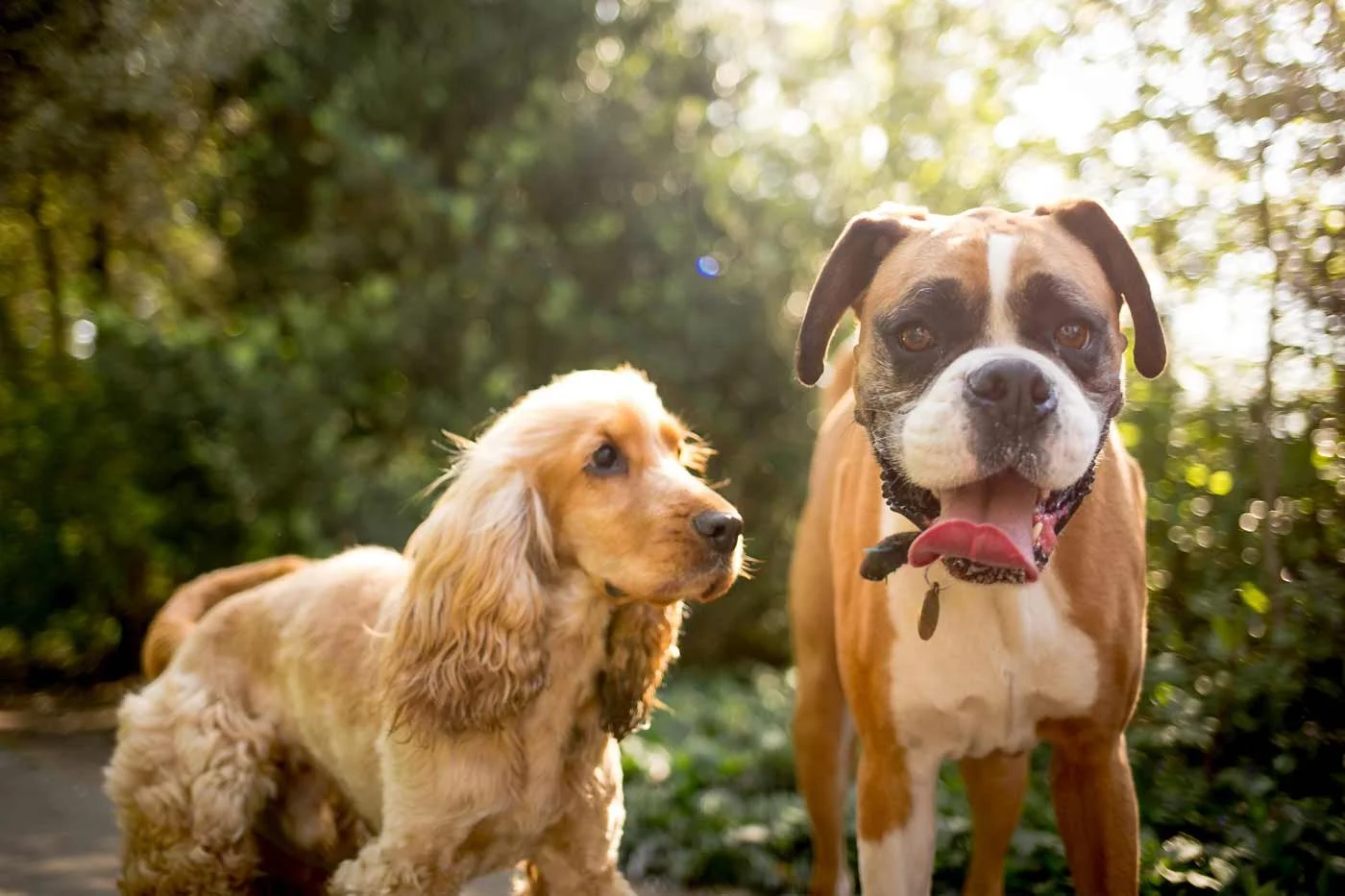
One of the greatest advantages of a consistent walking routine is the effect it can have on behaviour.
When dogs know they will have regular opportunities to exercise, sniff, explore and interact with their surroundings, they are often better able to settle during the rest of the day. Rather than storing up excess energy, they learn that activity comes at expected times.
This regular balance between activity and rest can support calmer behaviour at home.
Many owners also notice improvements in toilet habits. Dogs that are walked at similar times each day often develop reliable routines for relieving themselves outdoors. This can make house training easier for younger dogs while helping adult dogs maintain established habits.
Routine can also reduce uncertainty during walks themselves.
Dogs thrive on information. When the pace feels familiar and the experience stays the same, many become less anxious about what might happen next. They are free to focus on exploring their surroundings instead of reacting to unexpected changes.
This does not mean every walk should be identical. Dogs enjoy variety, new smells and different experiences. The consistency comes from knowing that walking is simply part of the day rather than an occasional event.
Lead manners may also become easier to reinforce through repetition. When expectations stay the same, dogs have more opportunities to practise appropriate behaviour. Small improvements gradually become habits through regular repetition rather than occasional correction.
Perhaps most importantly, routine builds confidence.
Confident dogs are not necessarily the quietest or the most obedient. Instead, they tend to approach familiar situations with less uncertainty because they understand what to expect. Daily routines provide the framework that helps many dogs feel safe enough to relax.
For owners, this often creates a more enjoyable experience as well. Walks become less stressful, dogs settle more easily afterwards and daily life develops a comfortable rhythm that benefits everyone involved.
Professional support can help with this too. At Man's Best Friend Kensington & Chelsea, our dog walking London service focuses on reliable, structured walks for small and medium dogs, helping owners maintain a dependable routine even when work or other commitments make daily walks difficult.

What happens when routine breaks down
Life does not always follow a perfect schedule. Holidays, busy periods at work and unexpected commitments can all interrupt a dog's normal routine from time to time. A single missed walk is unlikely to cause lasting problems, but when inconsistency becomes the norm, some dogs begin to show the effects.
Without a predictable outlet for their energy, dogs may become restless around the home. Owners often notice pacing, increased vocalisation, or difficulty settling during the day. For dogs that are used to regular walks, uncertainty about when they will next get outside can be frustrating.
Behaviour at home may also change. Some dogs become more demanding of attention, while others may chew household items, dig in the garden or look for other ways to entertain themselves. These behaviours are rarely signs of a "naughty" dog. More often, they reflect unmet needs or a lack of structure in the day.
Irregular walks can also affect toilet habits. If opportunities to go outside vary from day to day, some dogs may struggle to maintain the routine they have previously learned. This can be particularly noticeable in younger dogs or those still developing reliable habits.
Walking with different people every day can also make it harder for some dogs to understand what is expected. If one person allows pulling on the lead, another encourages loose lead walking and someone else rushes through the walk entirely, dogs receive mixed messages. Consistency helps learning, while inconsistency can slow progress.
Some dogs may become more reactive when their daily routine changes frequently. This does not necessarily mean routine causes or prevents reactivity, but stable experiences can help many dogs feel more sure of themselves because they know what to expect.
For owners, inconsistent walking often creates its own challenges. A dog with excess energy may find it harder to settle while people are working from home or relaxing in the evening. Small frustrations can build over time, making everyday life feel more difficult than it needs to be.
The good news is that routines can usually be rebuilt. Dogs are remarkably adaptable, and once regular habits return, many get back into a steady rhythm surprisingly quickly.
How Man's Best Friend builds routine into dog walking
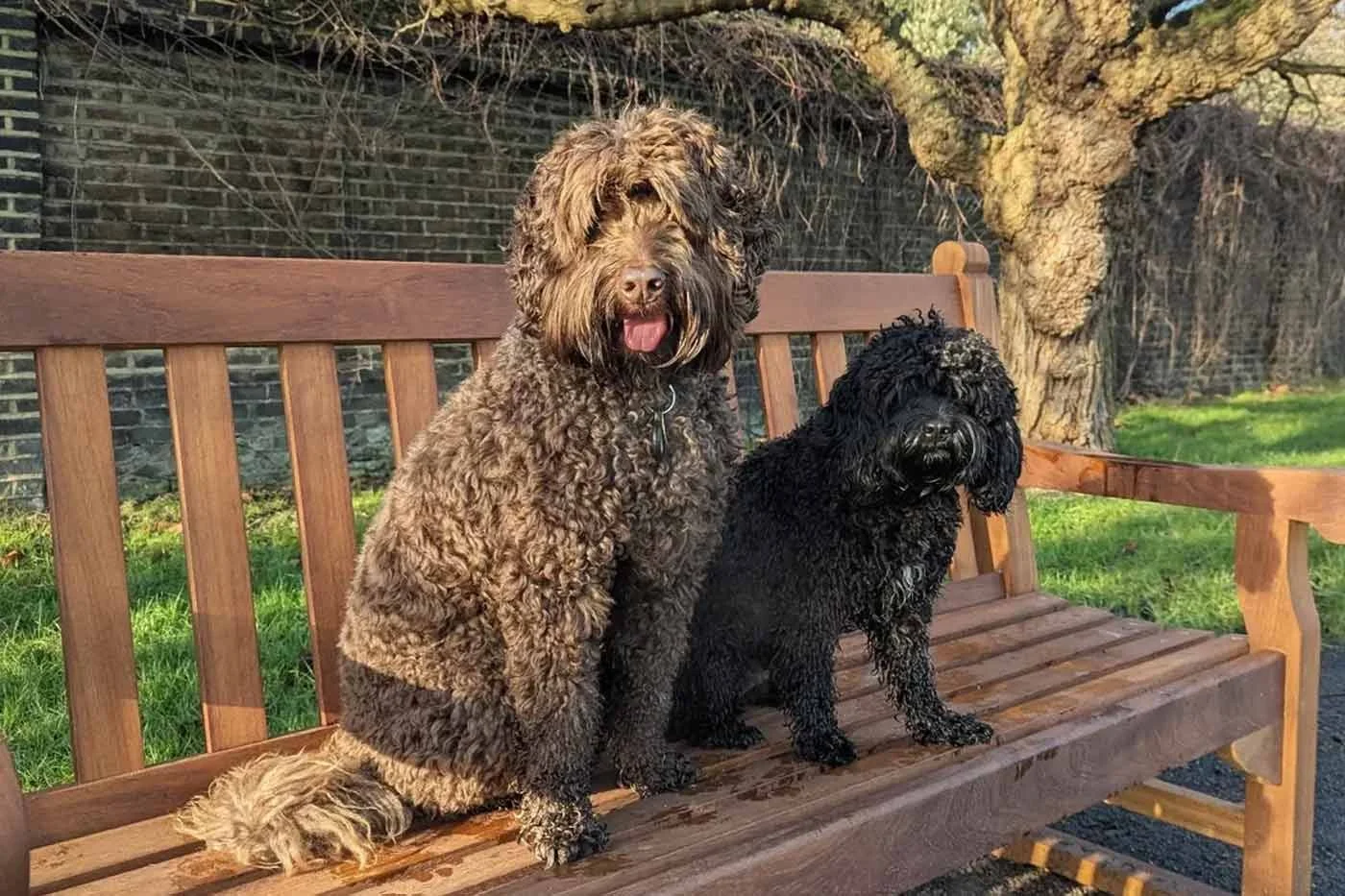
Routine is not simply about walking a dog at the same time every day. It is about creating a dependable experience that dogs learn to recognise and trust.
At Man's Best Friend Kensington & Chelsea, consistency is one of the principles behind our dog walking London service. Rather than treating every walk as an isolated event, we focus on providing a reliable routine that fits naturally into a dog's week.
Getting to know the same trusted walkers plays an important role in helping dogs feel secure, allowing them to develop positive relationships over time and making each collection and walk feel like part of their normal day rather than something unfamiliar.
Regular scheduling also helps owners plan their own routines with ease. Knowing when their dog will be exercised allows the whole household to develop a rhythm that works for everyone.
Every dog is an individual, and no two walks are exactly the same. Weather, energy levels and the dog's personality all influence the experience. However, keeping a steady approach gives dogs the reassurance that their daily needs will be met in a reliable way.
This balance between routine and flexibility helps create walks that feel enjoyable rather than rushed. Dogs have the opportunity to explore, exercise and engage with their surroundings while remaining within a routine they know.
For busy owners, professional dog walking also removes the uncertainty that can arise when work commitments change at short notice. Instead of missing walks altogether, dogs continue to enjoy the regular activity they have come to expect.
Over time, this steady rhythm becomes part of the dog's everyday life. They learn that walks happen reliably, familiar people arrive, and each outing follows a comfortable pattern. That reliability helps many dogs remain calmer both outdoors and at home.
Routine at home versus routine on walks
Professional walks are only one part of a dog's daily routine. What happens at home is just as important.
Simple habits such as feeding meals at similar times, providing regular opportunities to rest and keeping bedtime the same all contribute to a steady day. When these routines work alongside regular walks, dogs often settle into a comfortable rhythm.
Owners can also reinforce positive habits by keeping pre-walk routines familiar. Picking up the lead calmly, asking for a moment of patience before leaving the house and rewarding relaxed behaviour all help create positive expectations around walking.
It is equally important to allow time for rest after exercise. Dogs need opportunities to recover physically and mentally, and a regular period of quiet time after a walk can become just as valuable as the walk itself.
Routine does not mean removing all variety from a dog's life. Exploring different green spaces, meeting other dogs and discovering new smells all provide valuable enrichment. The structure comes from knowing that these experiences happen within a dependable daily pattern rather than at random.
When home routines and walking routines support one another, dogs often feel more secure, more settled and better able to cope with everyday life.
Building a Routine Dog Walking Habit That Lasts
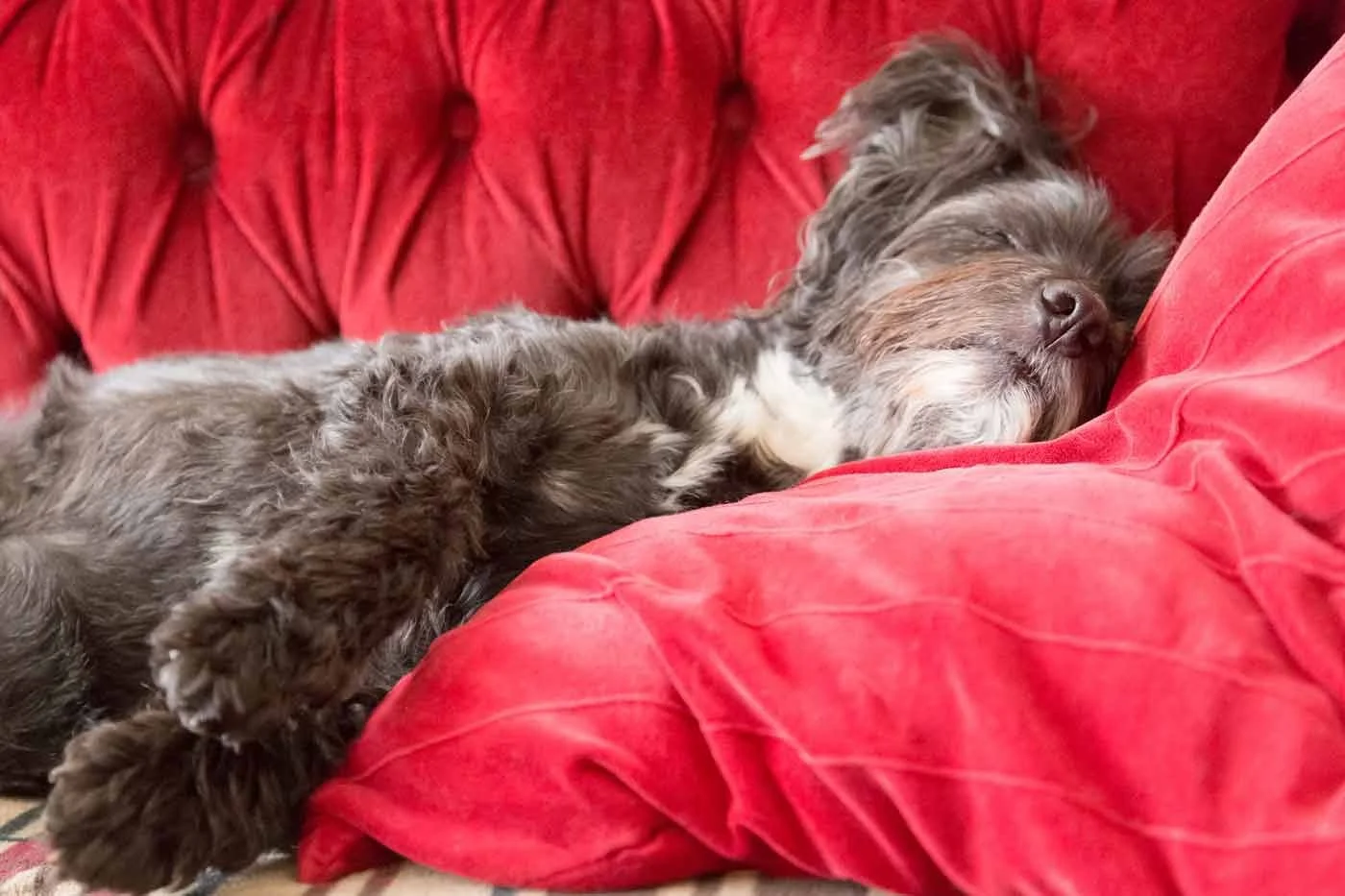
Routine is one of the simplest ways to support a dog's wellbeing, yet it is often overlooked. Regular walks provide exercise, but they also give dogs something equally valuable: predictability.
Knowing when they will get outside, spending time with familiar people and following a steady daily rhythm can help many dogs feel calmer and happier. These small habits build over time, creating a routine that benefits both dogs and their owners.
Whether you manage every walk yourself or use professional support, sticking to a routine is worth the effort. A dependable walking routine helps create a happier, more settled dog and makes daily life easier for everyone involved.
The same principle applies across all aspects of daily care. Whether through regular dog walking or doggy day care, providing dogs with a consistent routine gives them the structure they naturally thrive on.
Frequently Asked Questions
Does routine really make a difference to dog walking?
Yes. Dogs are creatures of habit, and many feel more relaxed when daily activities happen in a predictable way. Regular walks at familiar times help them know what to expect, which can support calmer behaviour and make the day feel more structured.
Can an inconsistent walking schedule affect my dog's behaviour?
It can. While every dog is different, irregular walks may lead to restlessness, frustration or excess energy. Some dogs may also find it harder to settle at home when their usual routine changes frequently.
Is it better for my dog to have the same dog walker?
Many dogs benefit from seeing a familiar person on a regular basis. Building trust with the same walker can help dogs feel more confident and comfortable, especially if they are naturally cautious or sensitive to change.
How can I maintain a routine when I'm busy?
A consistent routine does not have to rely entirely on your own schedule. Using a reliable professional dog walking service can help maintain your dog's daily routine, while keeping regular feeding times, toilet breaks and rest periods at home reinforces that sense of structure.