
Is Dog Walking Enough for Active Dogs?
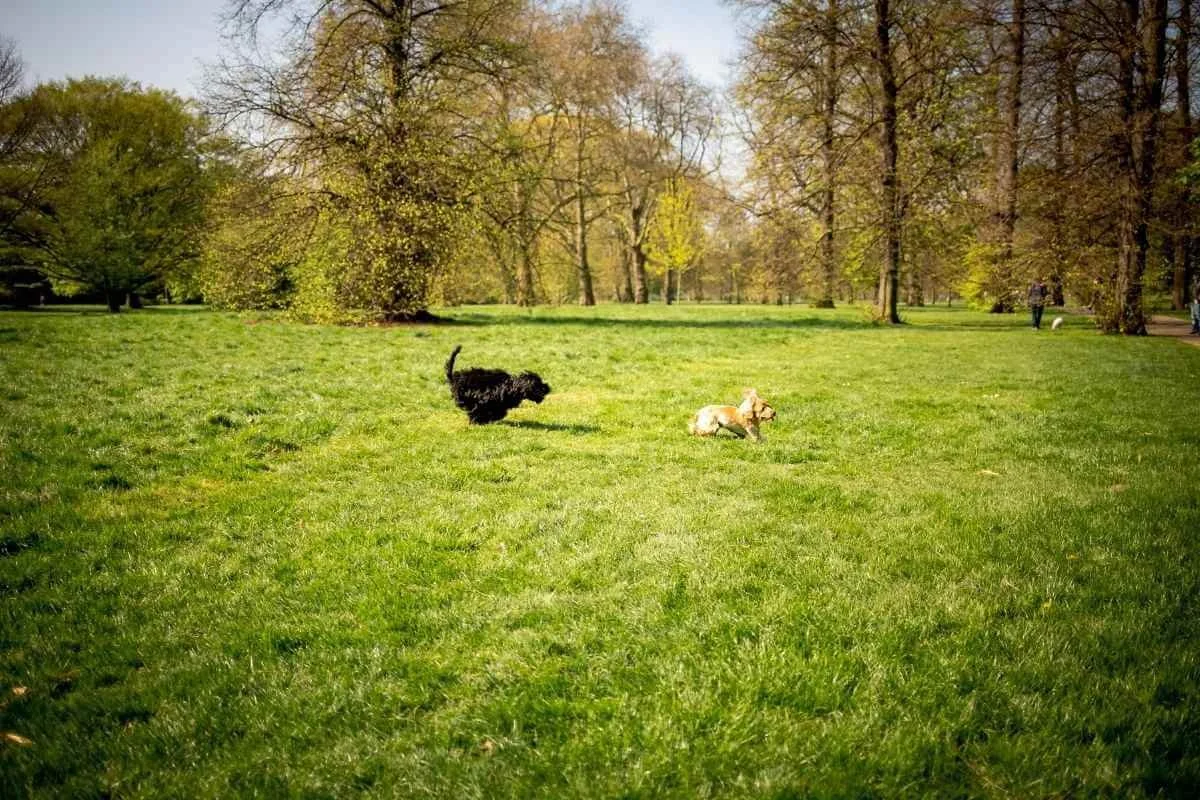
For many dog owners, daily walks are a key part of responsible pet care. Walking provides exercise, enrichment, opportunities to explore, and valuable time outdoors. However, when it comes to highly energetic dogs, many owners begin to ask an important question: is dog walking enough?
The answer depends on several factors, including a dog's breed, age, personality, health, and individual energy levels. While walking is essential, some active dogs require more than physical exercise alone to remain happy, balanced, and well-adjusted.
Understanding what your dog truly needs can help prevent boredom, frustration, and unwanted behaviours while supporting both physical and emotional wellbeing.
If you are looking for additional support for your dog's daily routine, services such as doggy day care London can help provide structured activity alongside regular exercise.
Why Exercise Matters for Dogs
Exercise plays a vital role in maintaining a dog's overall health. Regular activity helps support:
Healthy weight management
Muscle strength and mobility
Cardiovascular health
Joint function
Mental wellbeing
Stress reduction
Dogs are naturally active animals. Even breeds that appear calm at home often benefit from opportunities to move, explore, and engage with their environment.
Without sufficient activity, dogs can become restless, frustrated, or anxious. In some cases, a lack of stimulation may contribute to behaviours such as excessive barking, chewing household items, digging, or attention-seeking behaviour.

Not All Dogs Have the Same Exercise Needs
One reason there is no simple answer to the question "is dog walking enough" is that dogs vary significantly in their exercise requirements.
Factors that influence activity needs include:
Breed
Certain breeds were originally developed for working roles that involved long periods of activity.
Examples include:
Spaniels
Retrievers
Collies
Terriers
Working and sporting breeds
These dogs often have higher exercise requirements than companion breeds.
Age
Young adult dogs typically have more energy than senior dogs.
Puppies also require activity, but exercise should be balanced carefully to support healthy development.
Individual Personality
Even within the same breed, dogs can have very different energy levels.
Some dogs are content with moderate exercise, while others constantly seek new activities and challenges.
Health and Fitness
Health conditions may influence how much activity a dog can safely enjoy. Regular veterinary advice should always be considered when planning exercise routines.
What Dog Walking Provides
Dog walking offers a wide range of benefits beyond simple physical movement.
Physical Exercise
Walking helps dogs burn energy and maintain physical fitness.
Depending on pace, duration, and terrain, walks can provide moderate cardiovascular exercise.
Environmental Enrichment
Dogs experience the world largely through scent.
Walks expose them to:
New smells
Different sights
Sounds
Seasonal changes
Social encounters
This sensory enrichment helps keep dogs mentally engaged.
Routine and Structure
Dogs often thrive when they have predictable daily routines.
Regular walks help create consistency, which can support confidence and reduce stress.
Opportunities for Social Interaction
Many dogs enjoy seeing people and other dogs during walks.
Positive social experiences can contribute to emotional wellbeing and confidence.
Signs That Dog Walking May Not Be Enough
For some active dogs, even regular walks may not fully meet their needs.
Possible signs include:
Excessive Restlessness
If your dog struggles to settle after walks, they may require additional outlets for energy.
Destructive Behaviour
Chewing furniture, digging, or damaging household items can sometimes indicate boredom rather than disobedience.
Constant Attention Seeking
Dogs that repeatedly demand interaction may be looking for more stimulation throughout the day.
Hyperactivity Indoors
Some dogs continue pacing, running around the home, or displaying excitable behaviour despite regular walks.
Frustration Behaviours
Whining, barking, or inability to relax can occasionally signal unmet physical or mental needs.
These behaviours do not automatically mean a dog requires more exercise, but they may suggest that their routine could benefit from greater variety.
Physical Exercise Is Only Part of the Picture
Many owners focus primarily on physical activity. While exercise is important, mental stimulation often plays an equally significant role.
Dogs use their brains constantly when solving problems, exploring new environments, and engaging with the world around them.
Mental enrichment can sometimes be just as tiring as physical activity.
Examples include:
Scent-based games
Puzzle toys
Food enrichment activities
Learning new skills
Exploring different environments
Positive social experiences
A dog that receives both physical and mental stimulation is often more likely to feel content and relaxed.

The Difference Between Activity and Enrichment
A common misconception is that simply increasing walking duration will solve every issue.
In reality, dogs often benefit from a balance of:
Exercise
Exploration
Social interaction
Rest
Mental engagement
For example, a long walk along the same route every day may provide physical exercise, but it may not offer the same level of enrichment as varied experiences.
Dogs frequently enjoy opportunities to investigate new scents, interact appropriately with others, and experience different environments.
Social Interaction Can Be Important
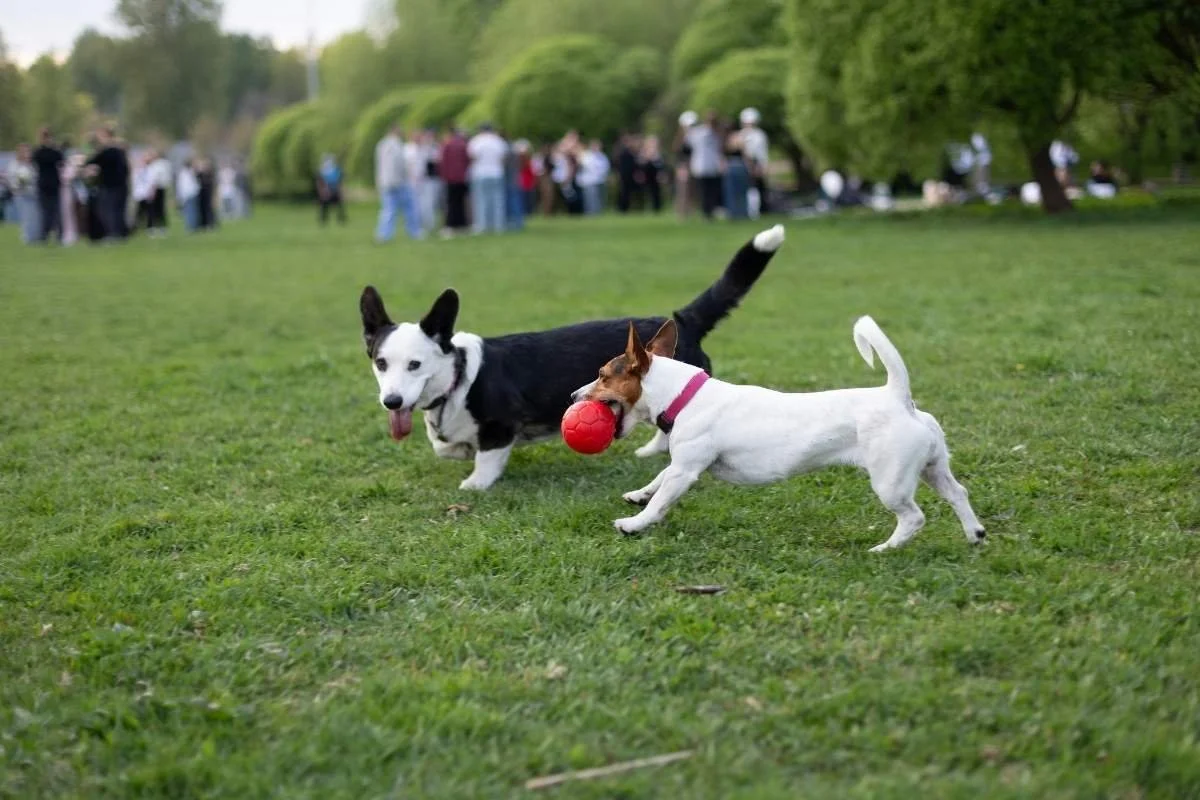
Many active dogs enjoy spending time around other dogs.
Appropriate social interaction can help provide:
Mental stimulation
Communication opportunities
Confidence building
Play experiences
Environmental enrichment
Of course, every dog is different. Some prefer human companionship, while others thrive when they have opportunities to interact with familiar canine friends.
The key is understanding your dog's individual preferences and comfort levels.
What a Balanced Routine Looks Like
Rather than focusing solely on walk duration, many owners find success by building a balanced daily routine.
A healthy routine may include:
Daily Walks
Regular walks remain the foundation of most dogs' exercise plans.
Mental Enrichment
Activities that encourage problem-solving and exploration can help keep dogs engaged.
Rest Periods
Dogs need quality rest to process experiences and recover from activity.
Social Opportunities
For dogs that enjoy company, appropriate interaction with other dogs can provide valuable enrichment.
Variety
Changing environments and experiences can help prevent boredom and encourage curiosity.
How Owners Can Assess Their Dog's Needs
Every dog communicates their needs differently.
Consider asking:
Does my dog settle comfortably after exercise?
Does my dog seem relaxed at home?
Is my dog showing signs of boredom?
Does my dog enjoy social interaction?
Is my dog receiving both physical and mental stimulation?
Observing behaviour over time often provides valuable clues about whether a routine is working effectively.
Supporting Active Dogs During Busy Working Days
Modern lifestyles can make it difficult to provide continuous stimulation throughout the day.
Many owners balance work commitments, family responsibilities, and daily routines.
When dogs spend long periods inactive, they may have fewer opportunities to engage physically and mentally.
This is one reason many owners explore additional activity options to complement their dog's regular walks.
Professional services can help maintain consistency and structure when schedules become busy.
For owners seeking support with regular exercise, our dog walking London service provides structured walking opportunities designed for small and medium dogs.
Is Dog Walking Enough?
So, is dog walking enough?
For some dogs, regular walks combined with a stable home environment may provide everything they need.
For others, particularly highly active or highly social dogs, walking alone may not fully satisfy their physical and mental requirements.
The most effective approach is usually a balanced one that considers:
Physical exercise
Mental stimulation
Social experiences
Routine
Rest and recovery
Every dog is unique, and understanding their individual needs is the best way to support long-term wellbeing.
Rather than focusing only on the amount of exercise, consider the quality and variety of experiences your dog enjoys each day. A thoughtful, balanced routine can help active dogs remain healthy, engaged, and content throughout every stage of life.
FAQ
Is dog walking enough for most dogs?
Many dogs can thrive with regular walks as part of a balanced routine. However, some active dogs may also benefit from additional mental stimulation and enrichment activities.
How do I know if my dog needs more activity?
Signs may include restlessness, boredom-related behaviours, difficulty settling, or ongoing excess energy despite regular exercise.
Is mental stimulation as important as physical exercise?
Yes. Mental enrichment helps engage a dog's natural instincts and can play an important role in overall wellbeing.
Can social interaction help active dogs?
For dogs that enjoy being around others, appropriate social experiences can provide valuable mental stimulation and enrichment.
Do active dogs always need longer walks?
Not necessarily. Variety, enrichment, and mental engagement can be just as important as increasing walking distance or duration.