
City Dog Life in Notting Hill
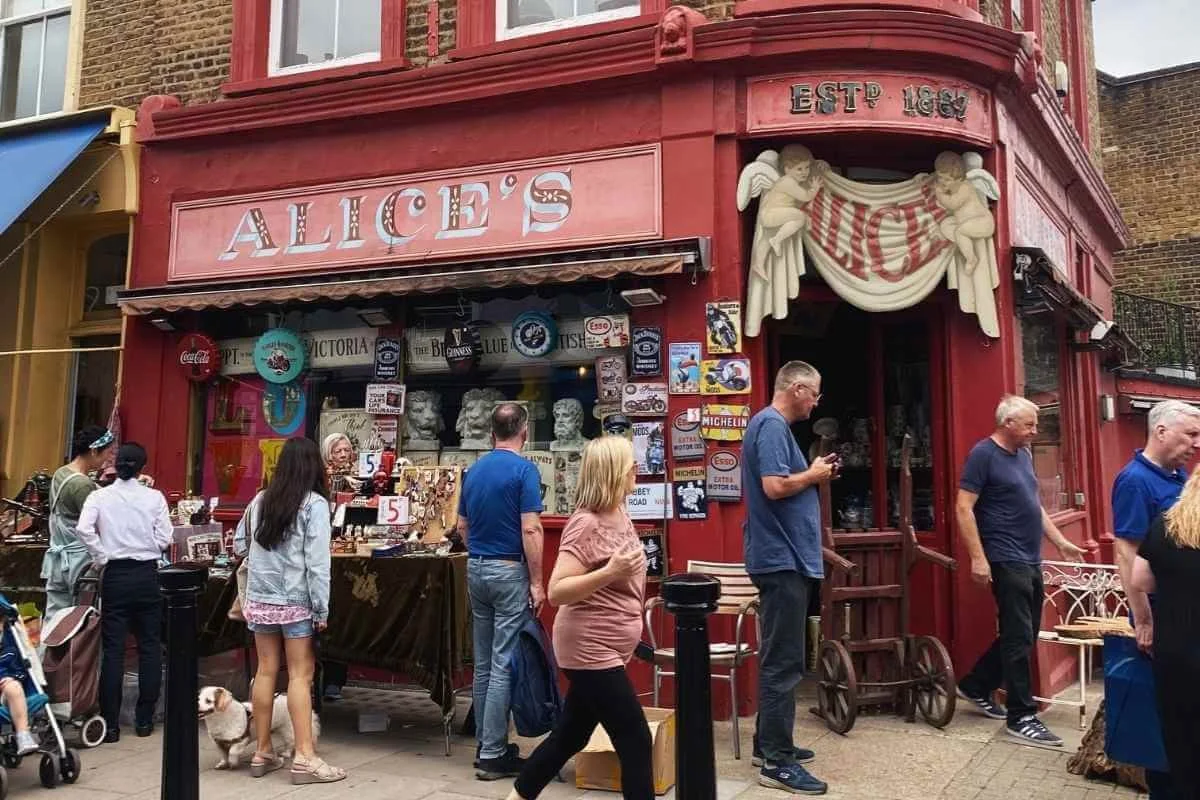
Dog life in Notting Hill offers a unique blend of city living, community atmosphere, and everyday routine. Known for its colourful streets, independent businesses, and welcoming neighbourhood feel, Notting Hill provides an environment where dogs can become a natural part of daily life.
For many owners, one of the greatest advantages of living in the area is the ability to include their dog in everyday activities. Whether enjoying a morning walk, exploring local streets, or spending time outdoors, dogs can settle comfortably into a structured routine that supports both physical and mental wellbeing.
With the right balance of exercise, rest, and consistency, dog life in Notting Hill can be both practical and rewarding.
What Makes Notting Hill Appealing for Dog Owners?
Notting Hill is known for its character and charm, but for dog owners, its real appeal lies in how easily dogs can be integrated into daily routines.
The area offers:
Walkable residential streets
Access to green spaces nearby
A strong sense of local community
A culture where dogs are commonly seen and welcomed
For owners looking for local support, our Notting Hill dog care services fit naturally into the area's routine-focused lifestyle, helping small and medium dogs remain active, engaged, and well-supported throughout the week.
These qualities help create a lifestyle where dogs are not simply accommodated but become part of everyday life. For many local owners, support such as doggy day care helps maintain consistency when balancing work, family commitments, and daily routines.
Many owners also appreciate having access to local support when needed. Services connected to doggy day care can complement a balanced routine, helping dogs remain active and engaged throughout the week.

A Neighbourhood Built Around Walking
One of the defining features of dog life in Notting Hill is how naturally walking fits into daily routines.
The area offers a variety of environments within a relatively compact space. A typical walk may include:
Quiet residential roads
Tree-lined streets
Local high streets
Open public spaces nearby
This variety helps keep walks interesting while providing opportunities for dogs to experience different sights, sounds, and environments.
Dogs benefit from gradual exposure to changing surroundings. Over time, this can help build confidence and adaptability while maintaining familiarity with the local area.
For owners, walking becomes more than a daily responsibility. It becomes an enjoyable part of everyday life.
The Importance of Green Spaces
Access to outdoor space plays an important role in supporting a dog's overall wellbeing.
One advantage of living in Notting Hill is the proximity to a range of green areas that provide opportunities for exercise and exploration.
These spaces support:
Physical activity
Mental stimulation
Routine and consistency
Opportunities to explore new scents and environments
While city living naturally involves more stimulation than rural areas, access to green spaces helps create balance.
Regular time outdoors can contribute to calmer behaviour at home while allowing dogs to satisfy their natural curiosity in a controlled environment.
The combination of urban surroundings and nearby outdoor areas is one reason many owners find dog life in Notting Hill particularly appealing.
Community Living with a Dog
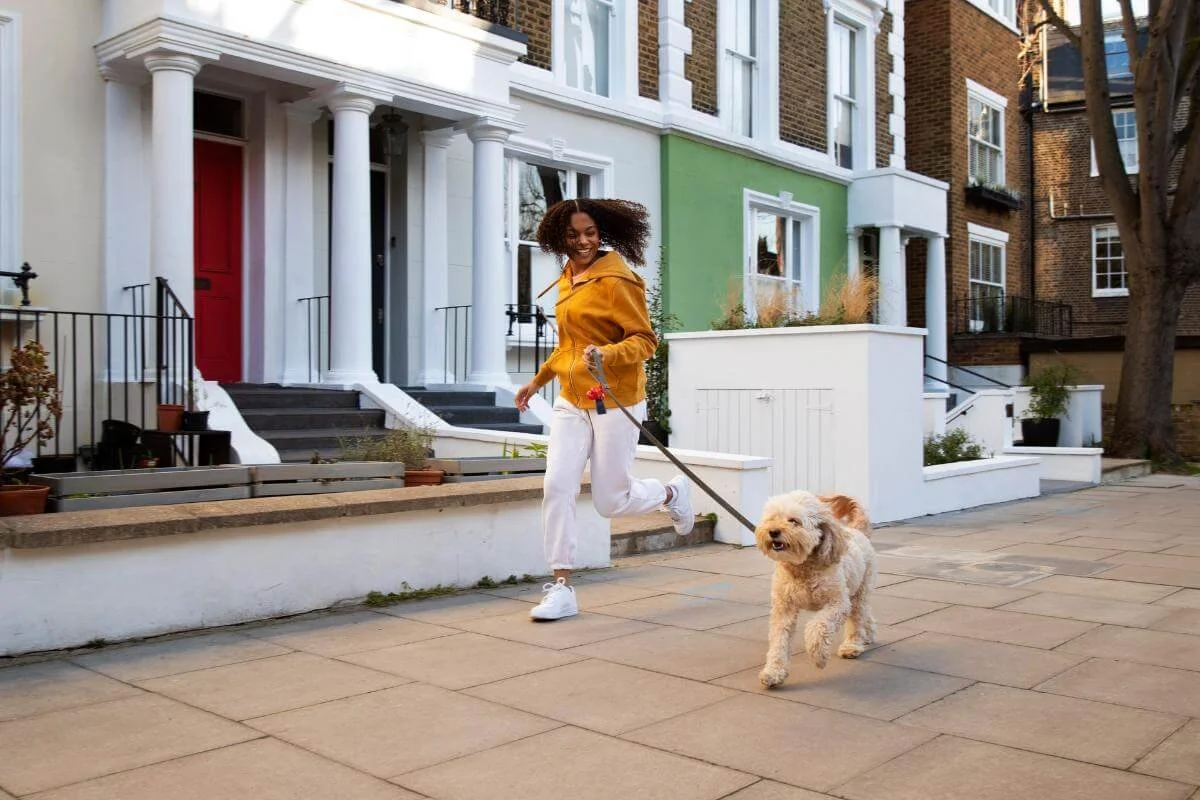
Notting Hill has a strong community atmosphere, and dogs often play a visible role within it.
Whether walking through residential streets or visiting local businesses, dogs are frequently seen accompanying their owners throughout the day.
This regular exposure helps dogs become comfortable around:
People
Everyday activity
New environments
Familiar neighbourhood routines
For owners, this creates a lifestyle where dogs are included rather than separated from daily plans.
The ability to share experiences with a dog often strengthens routine and encourages more time spent outdoors.
Dog-Friendly Social Experiences
One of the advantages of dog life in Notting Hill is the opportunity to include dogs in social activities.
Many local cafés and outdoor spaces are accustomed to seeing dogs alongside their owners. This helps create an environment where social plans can often include canine companions.
Including dogs in everyday experiences can support:
Confidence
Socialisation
Adaptability
Familiarity with different environments
Importantly, these experiences are most beneficial when balanced with adequate rest and downtime.
Dogs thrive when activity is paired with structure, allowing them to enjoy new experiences without becoming overwhelmed.

Why Routine Matters
Although Notting Hill offers many opportunities for stimulation and exploration, routine remains one of the most important elements of a dog's wellbeing.
A structured day might include:
A morning walk
Midday activity
Rest periods
Evening relaxation
Dogs generally respond well to predictability. Knowing what to expect throughout the day can help them remain calm and settled.
Without routine, even positive stimulation can become overwhelming.
Consistency allows dogs to enjoy the benefits of city living while maintaining a sense of security and balance.
Balancing Work and Dog Ownership
Many dog owners in Notting Hill balance demanding work schedules alongside caring for their dogs.
While modern lifestyles often involve long working hours, dogs still require:
Exercise
Mental stimulation
Social interaction
Consistent routines
Without enough activity during the day, some dogs may become bored or restless.
This is why many owners choose to incorporate structured support into their dog's weekly routine.
Support services should not replace time spent with owners. Instead, they can complement existing routines and help maintain consistency throughout the day.
Supporting Dogs Through Structured Care
For dogs living in busy urban environments, structured daytime care can play a valuable role.
Regular routines that include activity, interaction, and rest can help support a dog's overall wellbeing.
Owners who want to understand how purpose-designed environments contribute to routine and wellbeing can explore our <a href="/services/doggy-day-care-service-and-facilities">dog care facilities</a>, where structured activity, supervised social interaction, and rest form part of a balanced day.
These types of services work best when they complement the dog's home life rather than replace it.
Socialisation in Everyday Life
One of the benefits of dog life in Notting Hill is the opportunity for natural socialisation.
Throughout the week, dogs may encounter:
Other dogs
Different people
New environments
Everyday activity and movement
These experiences often occur naturally through routine walks and daily outings.
Gradual exposure helps dogs become familiar with their surroundings while encouraging calm and confident behaviour.
Effective socialisation is not about constant interaction. Instead, it is about helping dogs feel comfortable and secure in a range of situations.
Understanding Local Expectations
Living with a dog in a busy area also involves responsibility.
Owners are generally expected to:
Keep dogs under control in public areas
Follow local lead requirements where applicable
Respect shared spaces
Clean up after their dogs
These expectations help create an environment that remains enjoyable for everyone.
Responsible ownership contributes to the welcoming atmosphere that many residents value throughout Notting Hill.
Why Notting Hill Works Well for Small and Medium Dogs
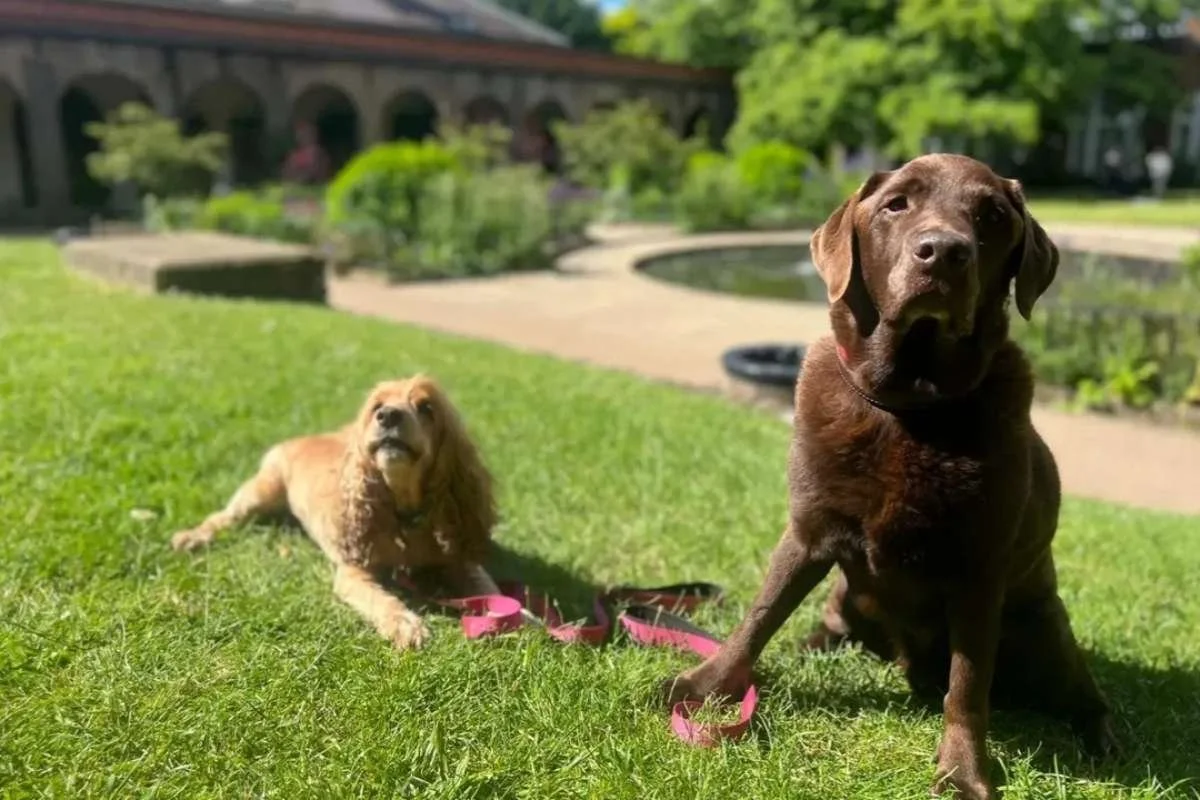
Notting Hill is particularly well suited to small and medium dogs.
The area's combination of residential streets, manageable walking distances, and nearby outdoor spaces supports a balanced lifestyle.
Benefits include:
Consistent exercise opportunities
Frequent social interaction
Accessible outdoor environments
A balance between activity and rest
For many small and medium dogs, this creates an environment where they can feel secure while still enjoying variety throughout the week.
The ability to build routine into everyday life is one of the area's greatest strengths.
The Owner Experience
Dog ownership often influences how people experience their local area.
In Notting Hill, many owners find themselves:
Spending more time outdoors
Following more structured routines
Engaging with their local community
Discovering new parts of the neighbourhood
Dogs naturally encourage movement and consistency.
Over time, routines become habits, helping both dogs and owners establish a rhythm that supports wellbeing and quality of life.
This shared routine often becomes one of the most rewarding aspects of dog ownership.
Creating a Balanced Dog Life in Notting Hill
Dog life in Notting Hill is built around balance.
The area offers:
Variety through its environment
Structure through routine
Community through local culture
Support through accessible services
With the right approach, dogs can adapt well to city living while remaining calm, confident, and engaged.
For owners, this creates a lifestyle shaped by companionship, responsibility, and daily routine.
By combining consistent care, regular activity, and opportunities for exploration, dogs can enjoy a fulfilling life while becoming an integral part of everything that makes Notting Hill such a distinctive place to live.
Frequently Asked Questions
Is Notting Hill a good place to live with a dog?
Yes. Notting Hill offers walkable streets, nearby green spaces, and a community environment that supports responsible dog ownership, making it well suited to everyday life with a dog.
What makes dog life in Notting Hill different from other parts of London?
Many owners appreciate the area's combination of neighbourhood character, accessibility, and routine-friendly environment. Dogs can easily be included in daily activities while still benefiting from nearby outdoor spaces.
Are there good places to walk dogs in Notting Hill?
Yes. The area provides a variety of walking environments, including residential streets, local green spaces, and access to larger outdoor areas nearby.
How do owners manage dogs during working hours?
Many owners use structured routines that may include walks or daytime care to ensure their dogs remain active and settled. For example, support such as a doggy day care or professional dog walking can help maintain consistency, provide social interaction, and ensure dogs stay engaged throughout the day without long periods of inactivity.