
Why Doggy Day Care Is Ideal for City Dogs
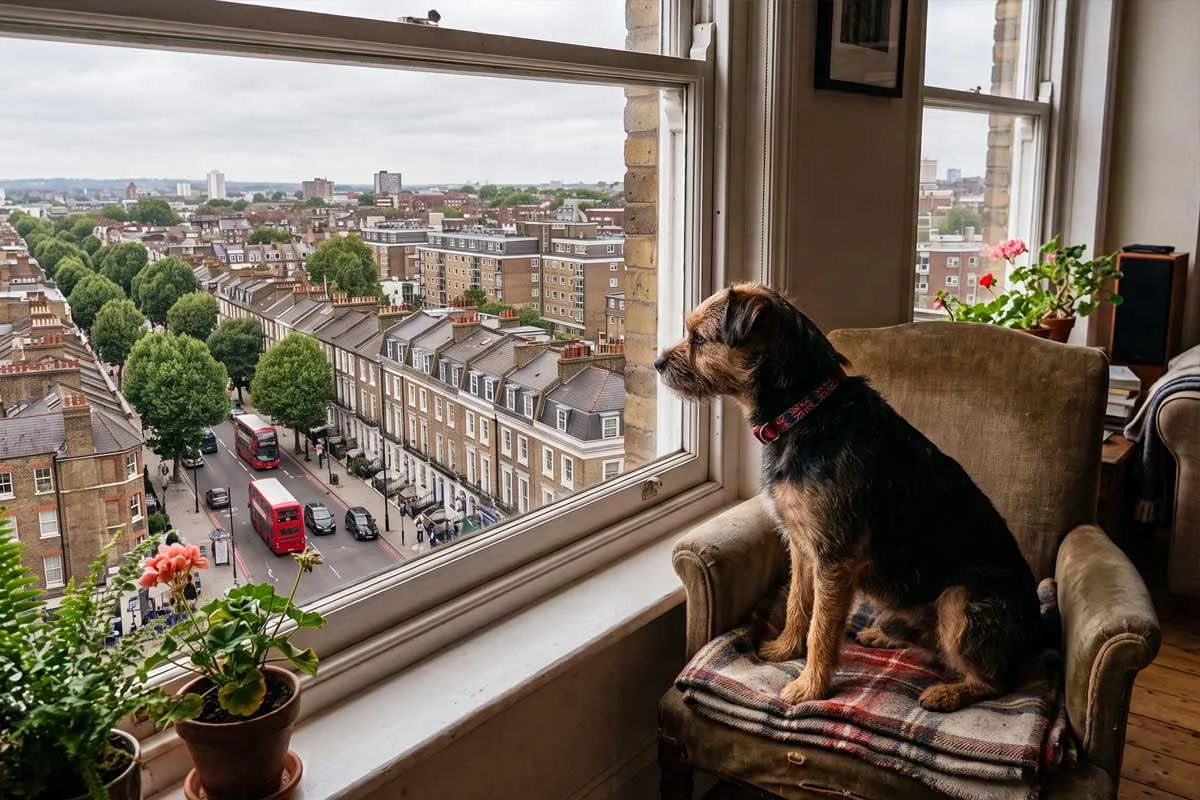
Life in the city has plenty going for it, at least from a dog's point of view. There's always something happening, plenty of smells to investigate on a walk and rarely more than a few minutes between an owner leaving for work and coming home again. But city living also brings a set of challenges that dog owners in quieter, greener parts of the country rarely have to think about.
A dog living in a London flat is likely to have no garden to wander into whenever it fancies, less space to stretch out and move around freely, and far fewer chance encounters with other dogs and people simply going about their day. Where a dog in a suburban house might spend part of the day pottering in and out of a back garden, a city dog is often confined to one flat, on one floor, for hours at a time.
Even owners who work from home tend to assume this solves the problem. It rarely does. A working day is still a working day, wherever it happens. Calls, deadlines and meetings don't leave much room for the play, attention and exercise a dog actually needs, and a dog left to its own devices in the same four walls all day can end up just as bored and under-stimulated as one whose owner is out of the house entirely. Physical presence isn't the same as engagement, and most dogs can tell the difference.
This is exactly the gap doggy day care is designed to fill.

What City Dogs Often Miss Out On
Most of the difficulties city dogs face come down to four things: space, company, stimulation and routine.
Space matters because dogs need room to move properly, not just to be walked on a lead but to run, play and explore somewhere safe. A flat, however comfortable, can't offer that in the way a proper outdoor area can.
Company matters because dogs are social animals. A city dog that spends most of its day alone, or quietly next to a working owner, misses out on the kind of everyday interaction with other dogs that builds confidence and good manners. Without it, dogs can become anxious, overly excitable or nervous around unfamiliar dogs when they do finally meet one.
Stimulation matters because a bored dog is rarely a settled one. Chewed furniture, restlessness and excessive barking are often less about bad behaviour and more about a dog that hasn't had enough to occupy its mind that day.
Routine matters because dogs, like people, tend to feel more secure when their day has a predictable shape to it. Long, unstructured stretches with nothing to do can leave a dog feeling unsettled, even in a loving home.
None of this means city dogs are somehow worse off than dogs elsewhere, or that city living is unsuitable for them. It simply means the gaps that a garden, quiet neighbourhood or nearby field would naturally fill need to be filled another way. Doggy day care is one of the most straightforward ways to do that, without asking owners to change their working hours, move house or give up city life altogether.
How Doggy Day Care Fills the Gap
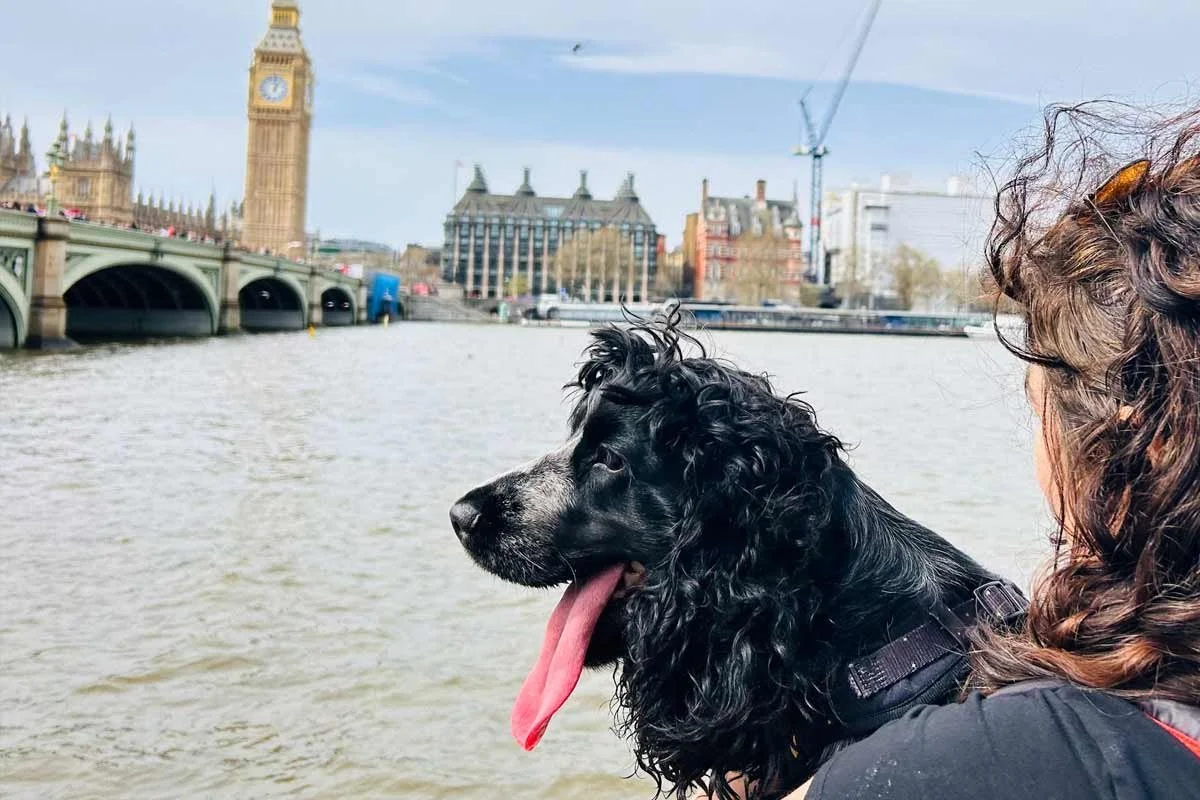
This is where doggy day care London earns its reputation as one of the most practical solutions for dogs living in busy, built-up areas. Rather than spending the day cooped up indoors, a dog collected for day care gets a change of scene, room to move and other dogs to socialise with, all in a setting designed with their wellbeing in mind.
For city owners in particular, day care solves a problem that a single daily walk simply can't. A walk gives a dog exercise and a bit of fresh air, but it doesn't replace hours of proper social interaction, play and mental stimulation. Day care does both at once, giving a dog everything a suburban dog might get from a garden and a friendly neighbourhood, condensed into one day out.

Why It Matters for Your Dog
Regular time at day care can make a genuine difference to how a dog behaves and feels day to day. Dogs who get consistent opportunities to play and socialise tend to be calmer at home, more confident around other dogs, and less likely to develop the kind of frustration-driven behaviour that comes from being under-stimulated.
It also supports healthy social development. A dog that regularly meets other dogs in a supervised setting generally finds it easier to read canine body language, play appropriately and cope with new situations without becoming anxious or defensive. For city dogs, who might otherwise only meet other dogs briefly on a lead during a walk, this kind of relaxed, ongoing socialisation is hard to replicate any other way.
Why It Matters for You as an Owner
The benefits aren't just for the dog. Knowing your dog is safe, active and enjoying itself while you're working takes away a lot of the guilt that comes with city dog ownership, particularly for owners who don't have a garden to fall back on.
It also tends to make evenings easier. A dog that's had a full, engaging day is usually a calmer, more settled dog once you're home, rather than one bursting with pent-up energy after being under-stimulated all day.
For owners without a car, which describes a lot of people living centrally in London, the practicalities of getting a dog somewhere with proper outdoor space can be a genuine barrier. Free collection and drop-off removes that barrier entirely, meaning your dog can enjoy time outside the city without you needing to organise transport around it.
There's also something to be said for the reassurance of actually seeing how your dog spends the day, rather than simply hoping they're happy. Being able to check in and watch your dog playing, rather than imagining them staring at a wall until you get home, tends to ease a lot of the low-level worry that comes with leaving a dog behind each morning.

What Good City Day Care Looks Like
Not all day care is created equal, and it's worth knowing what to look for. Well-run doggy day care facilities should offer proper indoor and outdoor space, a safe and supervised environment, and enough variety to keep dogs engaged rather than just occupied.
At Man's Best Friend, that means a purpose-built facility just outside the city with heated rest areas, paddling pools, agility platforms and outdoor space to properly stretch their legs, alongside live video streaming so owners can check in whenever they like. For a dog used to a flat and a lead, it's a different world entirely, and one that's much closer to what dogs would naturally choose for themselves given the chance.
It's also worth thinking about size. A small dog surrounded by much larger dogs all day isn't necessarily getting the relaxed, confidence-building socialisation day care is meant to provide. Facilities built specifically around small and medium-sized dogs tend to feel less overwhelming, and let dogs play at a pace and scale that suits them.
Making City Life Work for Your Dog
City life isn't going anywhere, and for most dog owners, neither is the flat without a garden or the working day that eats into time with their dog. Doggy day care doesn't try to replace city living. It simply gives dogs the space, company and stimulation that city living often can't, in a way that fits around busy owners rather than asking them to change their lives to suit it.
FAQ
Why is doggy day care good for dogs?
Doggy day care gives dogs regular exercise, social interaction and mental stimulation, all of which support good behaviour and general wellbeing. For dogs that spend a lot of time alone or in small spaces, it also breaks up the day and reduces boredom.
Are there any downsides to doggy day care?
Every dog is different, and some take longer than others to settle into a new environment or feel comfortable around a group of unfamiliar dogs. A good day care will introduce dogs gradually and keep a close eye on how they're settling in, so any concerns are picked up early rather than overlooked.
How often should a city dog go to day care?
This depends on the individual dog, their energy levels and their owner's routine. Some dogs do well with regular weekly attendance, while others benefit from a couple of days here and there. It's worth thinking about what suits your dog's temperament rather than following a fixed rule.
Can doggy day care help with boredom or separation anxiety?
It can certainly help with boredom, since dogs come home having had proper exercise and social time rather than a day with nothing to do. For separation anxiety specifically, day care is often one part of a wider approach, and it's worth discussing your dog's individual needs before assuming it will resolve the issue on its own.
Is doggy day care suitable for all city dogs?
Day care tends to suit dogs that enjoy the company of other dogs and adjust reasonably well to new environments. At Man's Best Friend, day care is designed specifically for small and medium-sized dogs, so it's worth checking that any facility you consider is set up with your dog's size and temperament in mind.