
How to Tell If Your Dog Enjoys Doggy Day Care
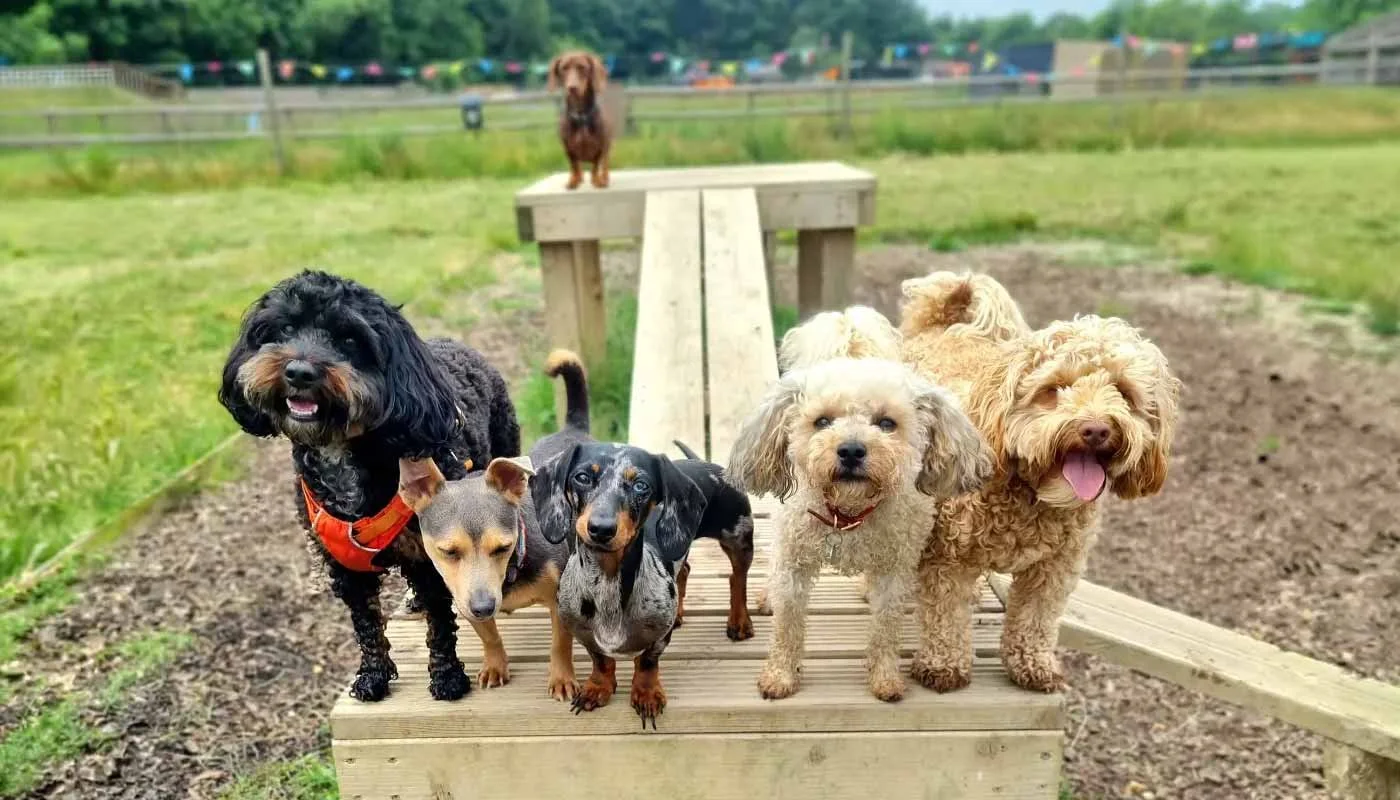
Choosing doggy day care is a thoughtful decision. Most owners do it to support their dog’s wellbeing, routine, and social needs. Once your dog starts attending, a very natural question follows: does my dog enjoy daycare, or are they simply tolerating it?
Dogs cannot explain their feelings in words, but they communicate constantly through behaviour, body language, and routine changes. Understanding these signals helps owners feel confident that doggy day care is a positive part of their dog’s life, not just a practical solution.
This article explains how to recognise the signs that doggy day care is working well for your dog, what enjoyment really looks like, and when it may be time to pause and reassess.
In the first half of this guide, we will look at what enjoyment means for dogs and how it can show up before, during, and after day care. We will also touch on why thoughtful environments such as structured doggy day care can support social confidence and balance when matched to the right dog.
What enjoyment looks like for dogs
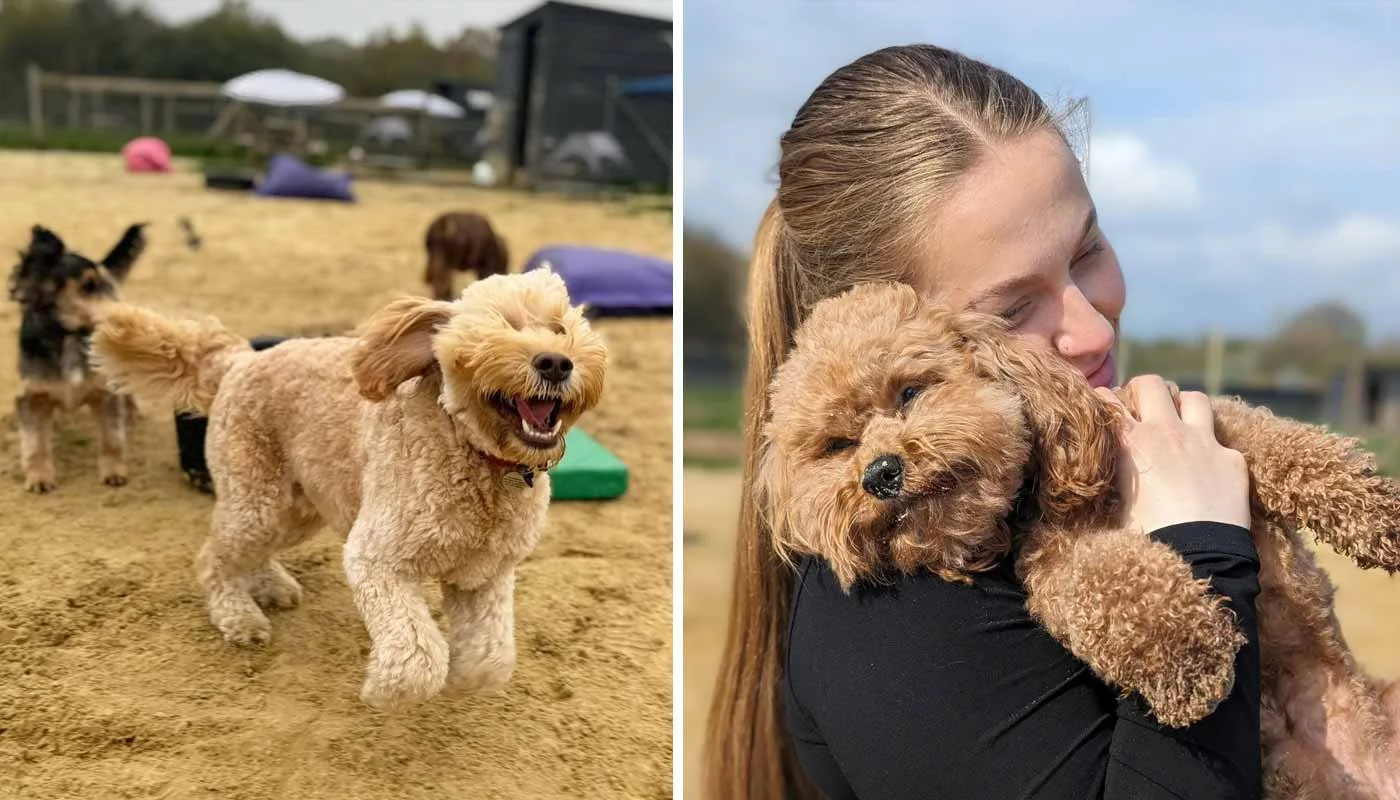
Enjoyment for dogs is not always obvious excitement. While some dogs bounce at the door, others show contentment in quieter ways. A dog who enjoys day care feels safe, settled, and appropriately stimulated, not overwhelmed.
Positive experiences tend to show through consistency. When dogs enjoy an activity, they show predictable, healthy responses around it. These responses appear in anticipation, behaviour during attendance, and emotional regulation afterwards.
It is important to judge enjoyment over time, not based on a single day. Dogs, like people, can have off days.
Signs before day care that suggest positive anticipation
Calm enthusiasm
A dog who enjoys day care often shows relaxed enthusiasm before attending. This might include following you when you prepare, soft eye contact, a loose tail, or waiting calmly by the door.
Excitement does not need to be frantic. Over-arousal can be a sign of stress rather than enjoyment. Calm interest is often the healthiest indicator.
Willingness to leave the house
Dogs who feel comfortable with day care typically show no reluctance to leave home. They walk out without freezing, pulling away, or showing avoidance behaviours.
Hesitation, hiding, or repeated refusal to move can indicate uncertainty. These behaviours should be taken seriously, especially if they increase over time.
Familiar routine acceptance
Dogs thrive on routine. When day care fits well, dogs often accept it as part of their weekly rhythm. They transition smoothly from home to care days without disruption to appetite or sleep patterns.

Behaviour during day care that indicates enjoyment
While owners do not observe their dogs directly during the day, post-care behaviour and reports can help build a picture.
Balanced social engagement
Dogs who enjoy day care engage socially at their own comfort level. This might include play, parallel walking, shared rest time, or gentle interaction rather than constant activity.
Enjoyment does not require non-stop play. Dogs often alternate between interaction and rest when they feel secure.
Ability to settle
One of the strongest indicators of positive experience is the ability to relax. Dogs who feel safe can rest even in group environments. This shows emotional regulation rather than hyper-stimulation.
A dog who cannot settle at all may be overwhelmed, even if they appear active.
Appropriate confidence, not dominance
Enjoyment shows as confidence without tension. Dogs are neither withdrawn nor overly pushy. They navigate interactions calmly and respond well to guidance and structure.
Signs after day care that suggest a positive experience
Healthy tiredness
After a good day, dogs are often pleasantly tired. They rest, nap, and appear content. This is different from exhaustion or shutdown.
Healthy tiredness supports sleep quality and emotional balance.
Normal appetite and hydration
Dogs who enjoy day care usually eat and drink normally afterwards. Appetite changes can be a sign of stress or overstimulation if they persist.
Emotional regulation at home
A positive day care experience often leads to calmer behaviour at home. Dogs may be more settled, less restless, and more responsive to cues.
Persistent hyperactivity, irritability, or difficulty calming down may suggest that stimulation levels are not well matched.
Why enjoyment can look different for each dog
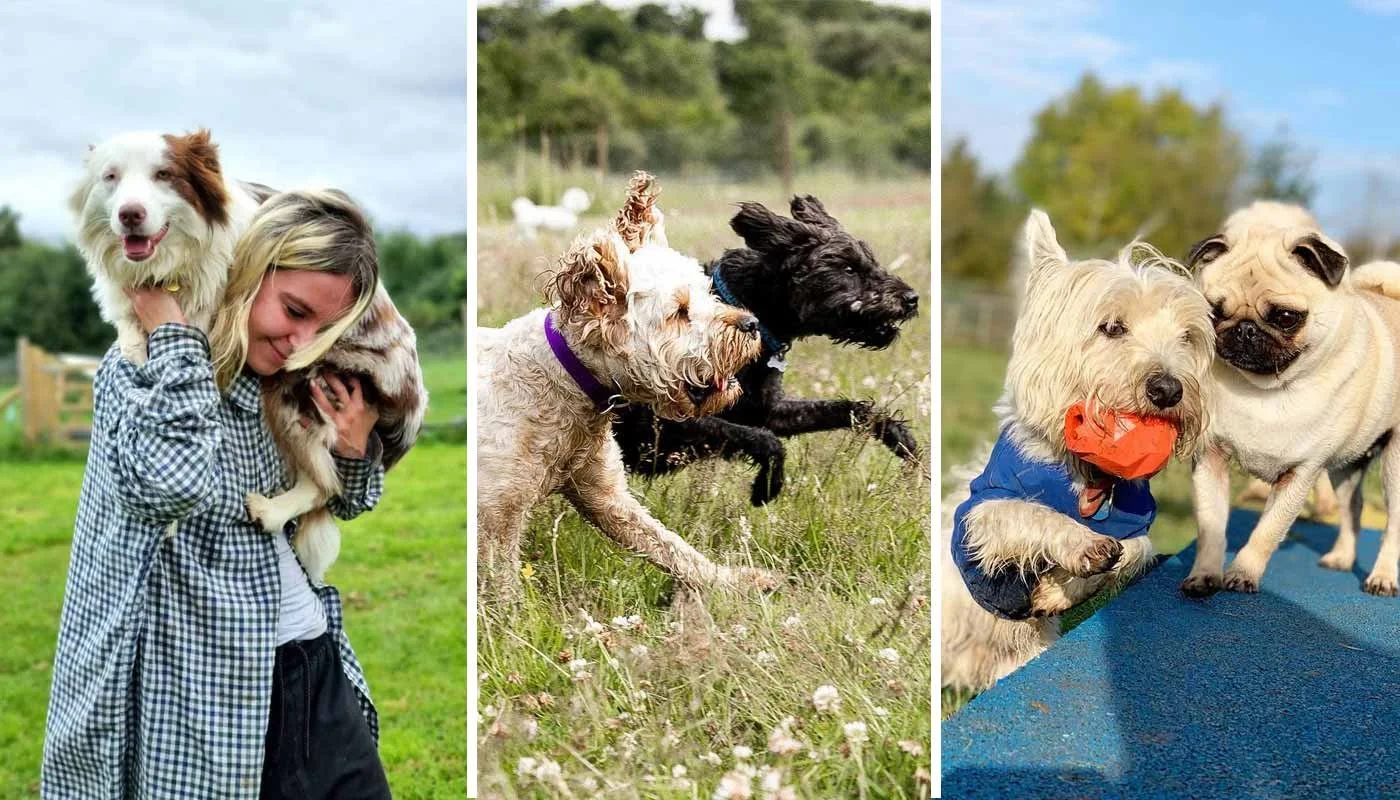
No two dogs experience day care in the same way. Breed traits, age, past experiences, and personality all influence how enjoyment shows up.
Introverted dogs
Some dogs enjoy quiet companionship rather than active play. Their enjoyment may show as calm acceptance, ease of movement, and consistent routine rather than excitement.
Social dogs
Highly social dogs may show more obvious enthusiasm and playfulness. For these dogs, enjoyment includes opportunities for interaction balanced with rest.
Young adult dogs
Younger dogs may take time to learn how to regulate their energy. Early enjoyment can look messy before settling into a more balanced pattern.
Mature dogs
Older dogs often show enjoyment through calm participation. Their needs focus more on comfort, predictability, and gentle engagement.
Common signs that day care may not be enjoyable
Understanding what enjoyment does not look like is equally important.
Escalating stress signals
Repeated stress behaviours such as lip licking, yawning, pacing, shaking, or excessive vocalisation may indicate discomfort.
Avoidance patterns
Dogs who begin hiding, refusing leads, or showing fear around care days may be communicating that something feels wrong.
Behavioural regression
Loss of house training, increased reactivity, or disrupted sleep patterns can suggest that day care is not meeting the dog’s emotional needs.
Prolonged recovery time
If a dog takes days to return to baseline after care, stimulation levels may be too high.
Why the right environment matters
Enjoyment is closely linked to environment. Dogs are more likely to enjoy day care when the setting respects their size, energy levels, and emotional needs.
Thoughtful dog care facilities focus on balance rather than constant activity. Structure, supervision, and space to rest are just as important as opportunities to socialise.
Dogs benefit from predictability, gentle handling, and calm group dynamics. When these elements are in place, enjoyment tends to follow naturally.
Why enjoyment matters for long-term wellbeing
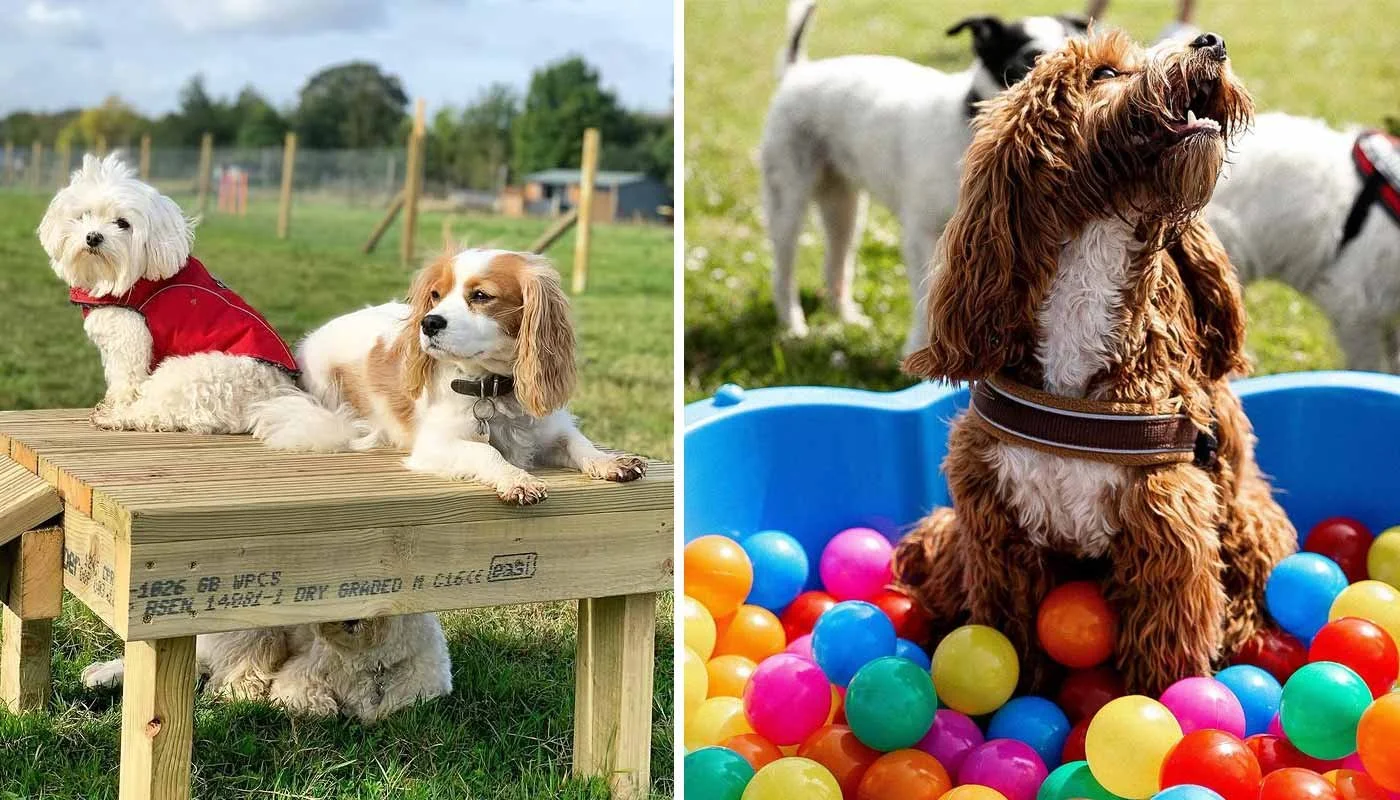
Enjoyment is not a luxury. It directly affects a dog’s mental health, confidence, and behaviour.
Emotional safety builds resilience
Dogs who feel safe and content in group environments build confidence that carries into other areas of life.
Positive social experiences reduce anxiety
Well-matched social exposure helps dogs learn appropriate communication and reduces stress around other dogs.
Balanced stimulation supports behaviour at home
When needs are met during the day, dogs are more settled and responsive at home.
Supporting your dog’s experience as an owner
Owners play an important role in supporting enjoyment.
Observe patterns, not single days
Look for trends over weeks rather than reacting to one off behaviours.
Maintain consistent routines
Predictable schedules help dogs feel secure.
Advocate for your dog
If something feels off, it is reasonable to pause, reassess, or seek guidance.

A calm approach to doggy day care
When chosen carefully, doggy day care London environments can support dogs who benefit from structure, social contact, and stimulation beyond the home. The key is matching the service to the dog, not forcing the dog to fit the service.
At Man’s Best Friend Kensington and Chelsea, doggy day care is approached with balance, calm supervision, and respect for individual needs. Enjoyment is not measured by excitement alone, but by comfort, consistency, and wellbeing over time.
Frequently Asked Questions
How long does it take to know if my dog enjoys day care?
Most dogs show clear patterns within a few weeks. Look for consistent behaviour before and after attendance rather than focusing on individual days.
Is excitement always a good sign?
Not always. Calm interest is often healthier than extreme excitement, which can indicate overstimulation rather than enjoyment.
Can shy dogs enjoy doggy day care?
Yes. Enjoyment for shy dogs often shows as quiet comfort, willingness to attend, and emotional stability rather than playfulness.
What should I do if my dog seems unsure?
Pause and observe. Reduced frequency, routine support, or reassessment can help. Trust your dog’s signals and avoid forcing participation.