
Doggy Day Care for Working Dog Owners
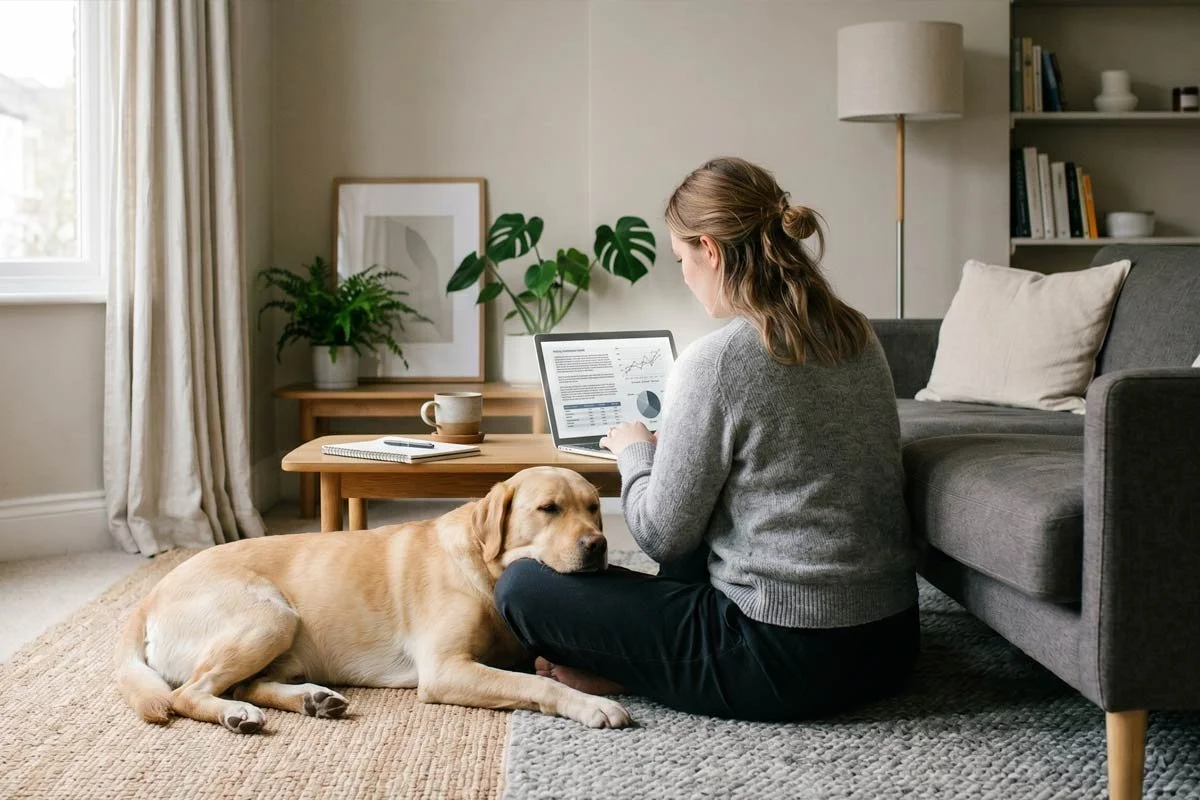
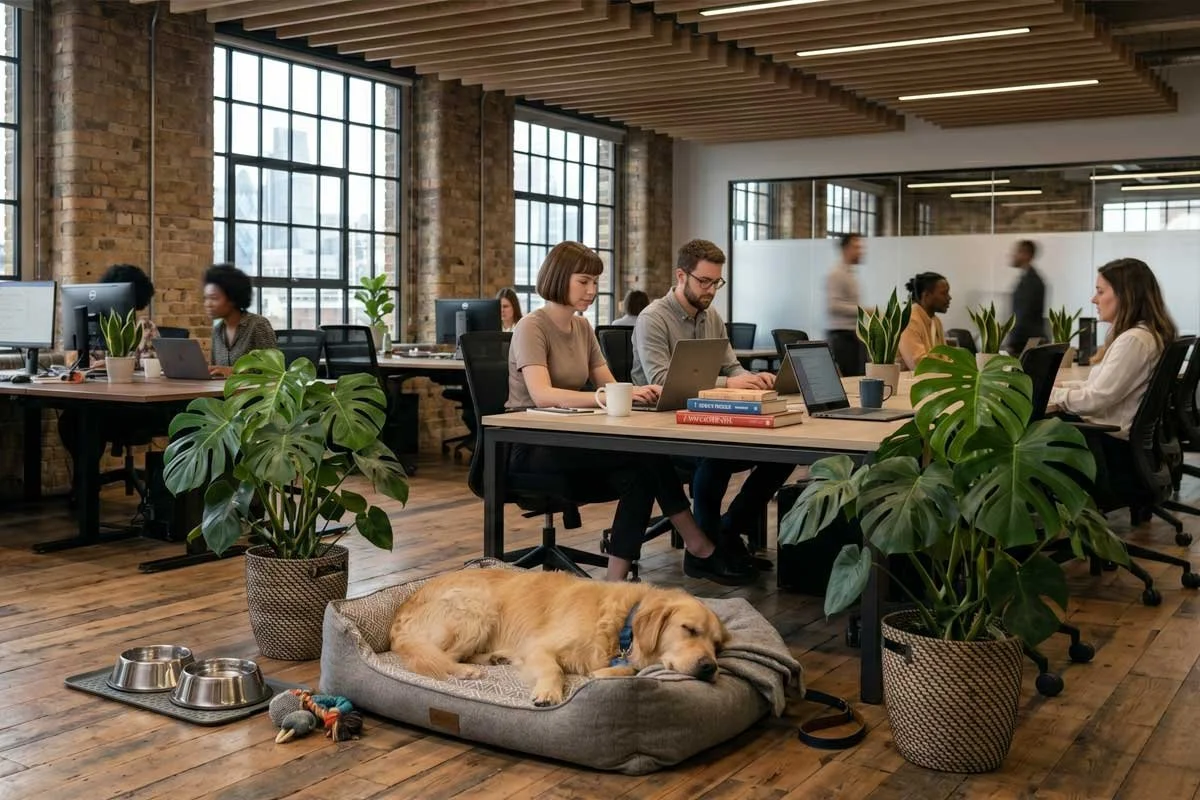
Modern dog ownership looks very different to how it once did. Some people work from home full-time. Others commute into the office every day. Many follow a hybrid routine, splitting their time between home and work. A small number are fortunate enough to bring their dogs into the workplace, though this is not always practical.
No matter the setup, one thing remains the same. You are still working. Your time, focus, and attention are limited during the day.
For many owners, this is where doggy day care becomes part of a more balanced routine. Not as a replacement for time with your dog, but as a way to support their needs during working hours.
The Different Ways People Work Today
There is no single “normal” working pattern anymore.
Some owners leave home early and return later in the day. Others are physically present at home but spend most of their time in meetings or focused work. Hybrid schedules can change from week to week, creating inconsistency. Even dog-friendly offices, while appealing, are not always suitable for every role or every dog.
What all of these situations have in common is simple. During working hours, your dog is not always getting the time, structure, or engagement they need.
Working Life Looks Different for Everyone
Not every working day happens at a desk.
Some owners spend their time moving between jobs as tradespeople. Others work in busy environments like cafés, shops, or healthcare settings. Some run their own businesses, while others balance unpredictable freelance schedules.
Even in roles where dogs are occasionally allowed, it is not always practical or suitable for them to be present throughout the day.
While these routines may look very different on the surface, they often lead to the same outcome. During working hours, dogs are either left alone, resting for long periods, or receiving limited interaction.
The details of your job may vary, but your dog’s needs do not.

The Common Challenge Across All Working Setups
It is easy to assume that certain routines solve the problem.
Working from home can feel like a perfect solution. Going into the office can feel like the only challenge. Hybrid working may seem like the best of both worlds.
In reality, each comes with its own gaps.
Dogs left at home for long hours may lack stimulation
Dogs at home with working owners may receive inconsistent attention
Dogs in hybrid routines may struggle with changing expectations
The issue is not where you work. It is what your dog experiences during the day.

Why Working From Home Is Not Full-Time Dog Care
Being at home does not mean being fully available.
Most working days include:
Meetings
Calls
Focused tasks
Deadlines
During these periods, dogs often:
Seek attention
Become restless
Struggle to settle
This can lead to a cycle where both owner and dog feel slightly out of balance.
You may be present, but your dog’s day may still lack structure, engagement, and clear routine.
Office Days and Sudden Routine Changes
For hybrid workers especially, the shift between home days and office days can be significant.
One day your dog has your presence. The next, they may be alone for several hours.
This inconsistency can lead to:
Confusion
Restlessness
Difficulty settling into a predictable rhythm
Dogs tend to thrive on routine, even when our routines change. Without that consistency, their day can feel uncertain.
What Dogs Actually Need During the Day
Regardless of your schedule, dogs have consistent needs.
They benefit from:
Regular routine
Physical exercise
Mental stimulation
Social interaction
Time to rest and reset
It is also worth reflecting on why most people choose to have a dog in the first place.
You did not bring a dog into your life to leave them alone for long stretches of the day. Even with the best intentions, working life can make that difficult to avoid.
Stepping back and looking at your dog’s day can be helpful. Is it structured, engaging, and balanced, or does it rely on gaps between your availability?

Where Doggy Day Care Fits In
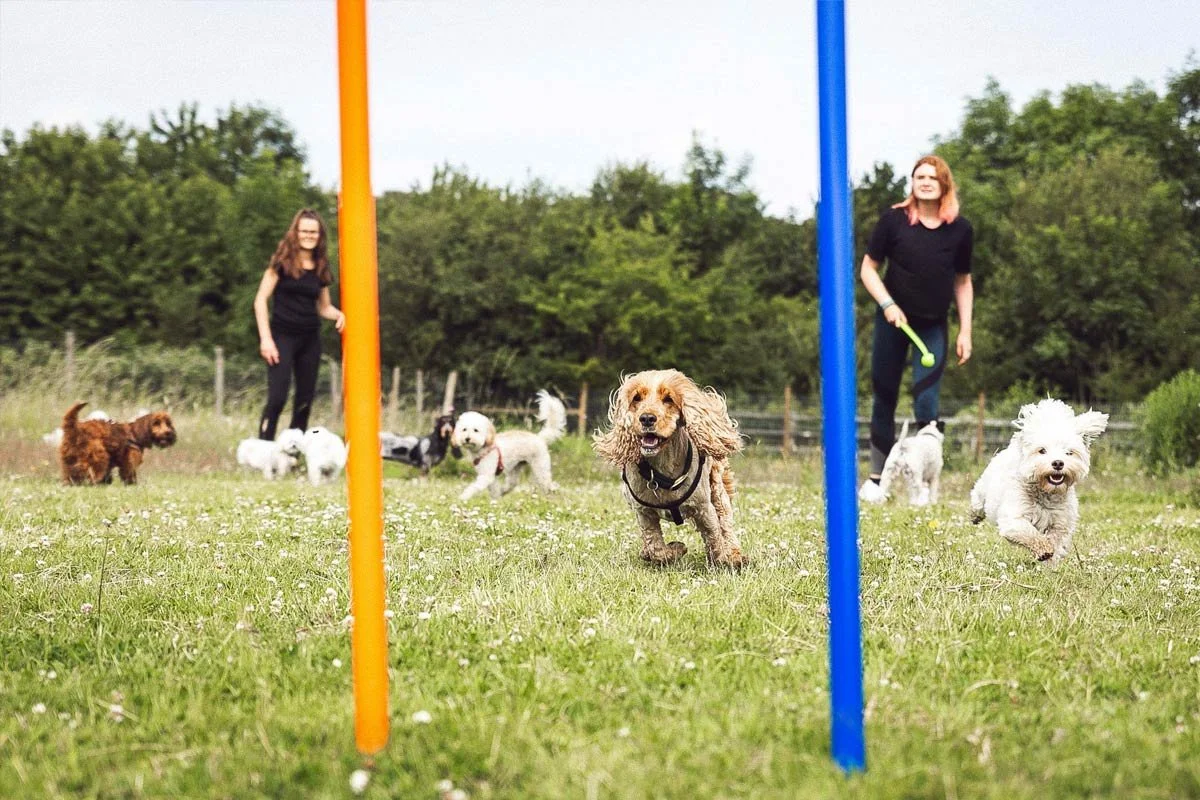
Doggy day care is best understood as part of a wider routine.
It is not about replacing time with your dog. It is about supporting them during the hours when your attention is limited.
For different owners, this might mean:
Using day care on office days
Adding support on particularly busy work-from-home days
Creating consistency within a hybrid schedule
The key idea is structure. Rather than each day feeling different, your dog has predictable, supported time during the week.
The Importance of Mental Stimulation and Socialisation
Exercise is important, but it is only part of the picture.
Dogs also need:
New environments
Interaction with other dogs
Exposure to different sights, sounds, and experiences
Mental engagement plays a major role in overall wellbeing.
A dog that has experienced variety and interaction during the day is often more settled than one who has simply rested or waited.
This is where structured environments can provide something that is difficult to replicate at home.

Benefits for Dogs
When dogs have consistent daytime structure, several things tend to improve.
More predictable routines
Regular social interaction
Balanced activity and rest
Reduced frustration or restlessness
Over time, this can support calmer behaviour and better overall wellbeing.
Benefits for Owners
The benefits are not limited to dogs.
Owners often notice:
Greater focus during working hours
Fewer interruptions when working from home
Less concern on office days
More relaxed, enjoyable evenings
One of the most overlooked benefits is the evening.
When a dog’s day has been full and balanced, time together later in the day often feels calmer and more enjoyable. It becomes quality time, rather than managing excess energy.

A Calmer End to the Day
A well-structured day does not just benefit your dog while you are working. It carries through into the evening.
When dogs have had the opportunity to move, interact, and engage during the day, they are more likely to settle once you are home. Time together becomes calmer and more enjoyable, rather than managing restlessness or excess energy.
For many owners, this is where the real difference is felt. The working day is more focused, and the evening feels more balanced.
Why Structure Matters in Day Care
Not all daytime care is the same. Structure plays an important role.
A well-managed environment focuses on:
Balanced activity and rest
Calm supervision
Appropriate social interaction
This is where understanding the setup becomes important. You can explore this further through the Doggy Day Care Service and Facilities page, which explains how structured environments are designed to support dogs throughout the day.

Building a Weekly Routine That Works
There is no single perfect routine.
What matters is consistency across the week.
For example:
Office days may align with day care
Home days may focus on rest and bonding
Busier days may benefit from additional support
It is not about doing the same thing every day. It is about giving your dog a rhythm they can rely on.
Consistency matters more than perfection.
Even When You Are Home Most of the Time
It is also worth noting that daytime support is not only for busy professionals.
Some owners are retired or spend most of their time at home. Even in these situations, dogs can benefit from structured time outside the home.
This is not about necessity. It is about enrichment.
Exposure to different environments, regular interaction with other dogs, and varied daily experiences can all contribute to a more balanced and fulfilled dog.
Preventing Imbalance in Daily Routine
When dogs do not receive enough structure or stimulation, it can sometimes show up in subtle ways.
This may include:
Restlessness
Attention-seeking behaviour
Difficulty settling
These are not problems in themselves, but signals that a dog’s daily needs may not be fully met.
Adding structure during the day can help bring things back into balance.
Is Doggy Day Care Right for Every Owner?
Doggy day care is not necessary for every dog or every owner.
Some dogs are naturally more settled. Others may have routines that already meet their needs.
Factors to consider include:
Energy levels
Temperament
Daily schedule
Level of stimulation at home
The goal is not to follow a fixed model, but to find what works best for your individual situation.
Supporting Your Dog Through Your Working Week
Modern working life is varied and often unpredictable.
Whether you work from home, commute daily, follow a hybrid schedule, or spend most of your time at home, your dog’s needs remain consistent.
Dogs thrive on routine, interaction, and balanced activity.
Doggy day care can be one way of supporting that, helping to create a structure that works not just for your schedule, but for your dog’s overall wellbeing.
frequently asked questions
Can I use doggy day care only on the days I go into the office?
Yes, many owners choose to use day care in a flexible way. It can be used on specific days, particularly when you are away from home for longer periods.
Is doggy day care helpful if I work from home full-time?
It certainly can be. Even when you are at home, your dog may benefit from structured activity, social interaction, and a change of environment during the day.
What if my workplace allows dogs occasionally?
Some workplaces are dog-friendly, but this does not always suit every dog or working environment. Day care can still provide a more structured and consistent experience.
Will my dog struggle with different routines each week?
Dogs can adapt well when there is a consistent pattern across the week. Having regular, predictable days for different activities helps create that stability.
How do I decide how often to use day care?
This depends on your dog’s needs and your schedule. The focus should be on creating a balanced routine that includes exercise, stimulation, and rest.